

Have you ever wondered why some WordPress sites run smoothly while others seem to hit snags just when you need them most?
What Website Owners Should Know About WordPress Core Updates
WordPress core updates are a fundamental part of keeping your site secure, fast, and compatible with modern technologies. This article walks you through why updates matter, how weekly checks fit into a healthy maintenance routine, and practical steps you can take to protect your site and your users.

Why WordPress Core Updates Matter
Core updates are not just about grabbing new features—they’re primarily about security, stability, and compatibility. You rely on WordPress to publish content, handle traffic, and deliver a good user experience, and updates help ensure you’re not exposed to known vulnerabilities or performance regressions.
What Is a WordPress Core Update?
A WordPress core update is a package released by the WordPress project that includes changes to the core software that powers your site. These updates can include security fixes, bug fixes, performance improvements, and occasionally minor feature enhancements that improve how the platform works for you.
Types of Core Updates
There are several kinds of core updates you should understand, because they have different implications for your site.
Security updates
Security updates address vulnerabilities that attackers could exploit. Applying these promptly reduces your risk of data breaches, defaced pages, or compromised user accounts.
Maintenance releases
Maintenance releases fix bugs discovered since the last update. They improve reliability and reduce the chance of unexpected behavior during normal site operations.
Feature enhancements
Feature enhancements refine existing capabilities or improve admin workflows. They can make your site easier to manage without altering the content you publish.
Performance improvements
Performance improvements focus on speed, resource usage, and overall responsiveness. Faster pages contribute to better user experience, SEO, and lower server load.
Risks of Skipping Core Updates
Skipping core updates can accumulate risk over time and create a cascade of issues that are harder to fix later. You might face security gaps, compatibility problems with themes and plugins, and slower performance.
How Updates Impact Security and Performance
When you apply updates, you reduce exploitable entry points and improve code quality, which translates into fewer crashes and faster rendering. Conversely, delaying updates can mean you’re running code that’s known to be risky or inefficient.
The Role of Weekly Checks in a Healthy WordPress Site
Weekly checks are the best practice for catching issues early before they affect your visitors. Regular reviews provide a steady, predictable maintenance rhythm that minimizes the chance of surprises.
What Weekly Checks Cover
Weekly checks should be focused and thorough, not rushed, so you can trust what you see about your site’s health. They form the backbone of a proactive maintenance routine that keeps you ahead of problems.
Core update status and compatibility
You should verify whether the core has installed correctly and confirm that the site remains compatible with essential plugins and themes. If there’s any mismatch, you can address it before users notice.
Plugin and theme readiness
Check that critical plugins and themes still work as expected after updates and that there are no deprecated functions or conflicts. This helps prevent feature gaps or broken admin areas.
Performance monitoring
Track site speed, page load times, and server response to detect any drift after updates. Small degradations can indicate incompatibilities or inefficient code paths that deserve attention.
Security scanning
Run a quick security check to ensure no new vulnerabilities show up in core, plugin, or theme layers. Early detection is key to preventing exploit attempts.
A Practical Weekly Checklist
A concrete weekly checklist makes maintenance actionable and repeatable. Use it to standardize routines so you always cover the essentials.
| Task | Why it matters | Time estimate |
|---|---|---|
| Review update status (core, plugins, themes) | Ensures you’re on the latest, secure versions and spot rollbacks or failed installs | 15–30 minutes |
| Check site uptime and error logs | Identifies outages, 500s, or theme/plugin errors that impact users | 10–20 minutes |
| Test critical pages and forms | Confirms user interactions work after updates and no data loss occurs | 20–40 minutes |
| Run a quick security scan | Screens for vulnerabilities exposed by recent changes | 10–15 minutes |
| Review backup integrity | Verifies you can restore quickly if something goes wrong | 5–10 minutes |
Safe Update Practices
Adopt careful practices that minimize risk when applying updates. Following these steps helps ensure you can recover quickly if anything doesn’t go as planned.
Backup Best Practices
Backups are your safety net. You should have a tested restore plan so you can recover to a known good state after an update if something breaks.
Staging vs Live Environment
Whenever possible, test updates in a staging environment before applying them to live sites. This extra layer helps you catch compatibility issues without affecting real users.
Update Order and Validation
The recommended sequence is to update core, then plugins, then themes, validating functionality after each step. This approach reduces the chance of cascading problems caused by incompatible combinations.
Rollback Procedures if Something Breaks
Plan for rollback by keeping reliable backups and knowing how to revert to the previous version quickly. Clear rollback steps save you time and minimize downtime.
WordPress Care Essentials: What It Includes
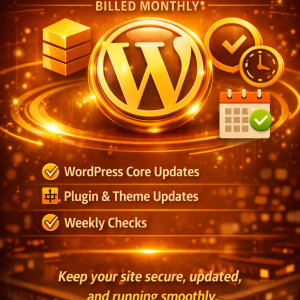
A solid maintenance package takes much of the guesswork out of keeping your site current and secure. WordPress Care Essentials typically includes three core components.
- WordPress core updates
- Plugin & theme updates
- Weekly checks
This combination ensures you’re protected against known vulnerabilities, compatible with essential extensions, and monitored regularly for issues. By having updates and checks bundled together, you reduce the risk of gaps between maintenance activities and you preserve the integrity of your site’s operations.
Why a structured package helps you
A maintenance package delivers a disciplined rhythm that aligns with your ongoing goals, such as publishing schedules, audience growth, and revenue generation. It also provides predictable costs and clear expectations, so you know what you’re getting and when.
Managing Risks with Regular Maintenance
Regular maintenance reduces the likelihood of downtime, slower performance, and security breaches. It also helps you stay ahead of evolving technology requirements and user expectations.
Common Myths and Misconceptions
There are a few misconceptions about WordPress updates that can lead site owners to delay action. Clearing up these myths helps you approach maintenance with confidence.
- Myth: Updates always break stuff. Reality: When done properly (with backups and testing in a staging environment), updates are usually safe and beneficial.
- Myth: Core updates are optional. Reality: Core updates address security flaws and major compatibility issues; skipping them increases risk.
- Myth: Plugins and themes are independent of core. Reality: They interact with core in complex ways; compatibility checks are essential after updates.
Real-World Scenarios
Understanding practical examples helps you see how core updates and weekly checks play out in real life. These scenarios illustrate why proactive maintenance saves you time and grief.
Scenario 1: Core Update Breaks a Plugin
In some cases, a core update may temporarily conflict with a plugin’s code. If you have a staging environment, you can test and resolve the issue without affecting visitors, and you’ll know exactly which combination caused the problem.
Scenario 2: Security Patch Breaks Theme
A security patch might require a theme adjustment if the theme relies on a deprecated function. Quick testing and a rollback plan let you decide whether to patch the theme or wait for a compatible update from the theme author.
Scenario 3: Outdated Site Drives Performance Issues
Running an outdated core, plugins, or themes can slow down your site due to deprecated functions or heavier resource usage. Regular maintenance helps keep performance consistent, improving user experience and search rankings.
How to Decide on a Maintenance Plan
Choosing a maintenance plan should be based on your site’s scope, traffic, and business goals. A plan that fits your needs will give you reliable protection and predictable performance.
Consider your site size and traffic
If your site handles thousands of visitors daily or processes sensitive information, a more frequent and thorough update cycle is prudent. Smaller sites still benefit from regular checks to catch issues early and maintain security.
Budgeting for updates and checks
Budgeting should reflect the value of uptime and user trust. A maintenance package that includes core updates, plugin/theme updates, and weekly checks often proves cost-effective by reducing the risk of expensive outages and repairs.
Final Thoughts
Keeping WordPress up to date is not a one-off task; it’s an ongoing discipline that protects your site, preserves performance, and supports your growth. Weekly checks, paired with timely core, plugin, and theme updates, create a resilient foundation you can depend on.
If you’re looking for a streamlined approach, WordPress Care Essentials offers a practical, effective solution by combining core updates, plugin and theme updates, and weekly checks into a cohesive maintenance routine. By investing in consistent care, you ensure your site remains secure, fast, and ready to serve your audience.
If you’d like more guidance on tailoring a maintenance plan to your specific site, I can help you map out a schedule that aligns with your content calendar, traffic patterns, and business priorities.








0 Comments