


Do you know how a few careful maintenance steps can keep your WordPress site reliable, fast, and secure day after day?

How WordPress Care Essentials Delivers Ongoing Stability And Security
Your website is more than a collection of pages. It’s a living system that needs regular attention to stay robust against threats, keep visitors on your pages, and support your business goals. WordPress Care Essentials is designed to be that steady companion, handling core updates, plugin and theme updates, and weekly checks so you don’t have to worry about the little things that can become big problems over time. In this article, you’ll discover how each component works together to deliver ongoing stability and security, why updates are essential, and why weekly checks matter as a proactive habit rather than a responsive afterthought.
What WordPress Care Essentials Is
WordPress Care Essentials is a website maintenance package built to keep your WordPress site up to date, secure, and performing at its best. You gain peace of mind knowing that critical maintenance tasks are being done consistently and correctly, without you needing to spend precious time figuring out the best practices or the latest fixes.
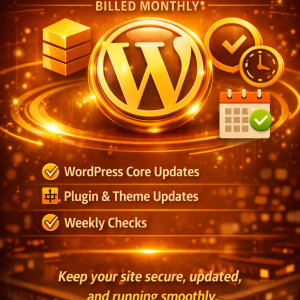
- WordPress core updates: These are the fundamental updates to the WordPress software itself, ensuring you receive security patches, bug fixes, and performance improvements.
- Plugin & theme updates: Plugins and themes extend functionality, but they can also introduce vulnerabilities or conflicts if left stale. Regular updates reduce risk and improve compatibility.
- Weekly checks: A proactive routine that looks for performance bottlenecks, broken links, security anomalies, backup integrity, and other issues that could disrupt your site’s smooth operation.
Together, these elements provide a structured approach to maintenance that supports stability, security, and a consistently positive user experience for your visitors. You’ll see how each piece plays a specific role and why keeping them in a regular cadence is the backbone of a healthy WordPress site.
Why Updates Are Needed: Core, Plugins, and Themes
Updates are not optional extras; they are essential safeguards and performance improvements. You’ll benefit from understanding what each type of update does and why delaying them can lead to problems.
WordPress Core Updates
WordPress core updates are the backbone of your site’s stability and security. They address known vulnerabilities, fix bugs, and improve compatibility with modern PHP versions, themes, and plugins.
- Security patches: Core updates fix vulnerabilities that could allow attackers to access your site, manipulate data, or cause downtime.
- Bug fixes: Updates resolve issues reported by the community and by automated testing, reducing the chance of errors appearing on your site.
- Performance improvements: Some updates optimize core functions, leading to faster page loads and a better user experience.
- Compatibility alignment: Core updates ensure compatibility with newer server environments and with updated themes and plugins.
If you delay core updates, you’re playing catch-up. An old core version may work today, but it can become a liability tomorrow when a vulnerability is discovered or when a theme or plugin requires a newer PHP version to run properly. By keeping the core current, you minimize risk and maintain a solid foundation for everything else on your site.
Plugin and Theme Updates
Plugins and themes are community-driven components that extend WordPress with features you rely on. They’re incredibly useful, but they also introduce complexity. Each plugin or theme update can bring benefits or unexpected conflicts.
- Security and vulnerability fixes: Many plugin and theme updates patch security holes discovered since the last release.
- Feature improvements: Updates can add functionality you want or improve existing capabilities.
- Compatibility improvements: As WordPress core evolves, plugin and theme updates help ensure continued compatibility.
- Conflict mitigation: Regular updates help minimize the risk that outdated code clashes with other components.
However, updates can also cause issues if a plugin or theme is not compatible with your current core version or with another plugin. That’s why a careful update process matters: testing, staging when possible, and a cautious rollout to avoid downtime or broken features.
The Risk of Skipping Updates
- Security vulnerabilities become exposure points that criminals can exploit.
- Compatibility gaps lead to broken functionality or site crashes.
- Performance can suffer as older code becomes inefficient compared to modern standards.
- SEO and user experience can degrade if pages don’t render correctly or if critical features stop working.
By prioritizing updates, you build resilience into your site’s architecture. This proactive stance means you’re less likely to encounter disruptive incidents and you’re more likely to deliver a smooth experience to your visitors.
Why Weekly Checks Are Essential
Updates are foundational, but they’re not enough on their own. Weekly checks provide a proactive surveillance mechanism that catches issues before they escalate. Think of weekly checks as the health check you perform for your own body—regular, thorough, and focused on early detection.
A weekly checks routine typically covers:
- Uptime and availability monitoring: Ensuring your site is reachable and performing well for visitors.
- Core, plugin, and theme version checks: Verifying that all components remain up to date and compatible.
- Backup verification: Confirming that backups exist, are recent, and can be restored quickly if needed.
- Security scans and malware checks: Looking for suspicious activity, unusual files, or signposts of compromise.
- Performance metrics: Assessing page load times, server response times, and any caching issues.
- Broken link and 404 monitoring: Detecting links that no longer work and routing visitors away from dead ends.
- Database health and optimization: Checking for fragmentation, unnecessary overhead, and opportunities to streamline queries.
- Accessibility and error logging: Identifying issues that affect user experience and developer troubleshooting.
This weekly cadence keeps your site predictable and reliable, while enabling you to address issues on a schedule rather than reacting to emergencies.
How Weekly Checks Translate Into Real-World Stability
- Fewer emergencies: Regular checks catch small issues early, so you won’t be scrambling during peak traffic.
- Faster recovery: When something goes wrong, you have validated backups and tested restore procedures, reducing downtime.
- Consistent performance: Ongoing monitoring helps you sustain fast load times and a responsive experience for your visitors.
- Safer change management: By reviewing what’s changed each week, you avoid unintended consequences from updates and configuration changes.
The benefit isn’t merely avoiding problems; it’s building a culture of reliability where your site continues to earn trust from your audience.
How WordPress Care Essentials Delivers Ongoing Stability and Security
When you combine core updates, plugin and theme updates, and weekly checks, you create a comprehensive maintenance program that acts as a shield and a lever. The updates protect and improve the site; the weekly checks detect and prevent issues; together they sustain a stable, secure, and high-performing online presence.
A Coordinated Approach: The Maintenance Workflow
To help you visualize how this program operates, here’s a practical workflow you can expect:
- Step 1: Inventory and baseline assessment
- You start with a complete inventory of WordPress core, plugins, and themes, plus a baseline of performance metrics and security posture.
- Step 2: Scheduling updates
- Core, plugin, and theme updates are scheduled in a controlled cadence, with priority given to critical vulnerabilities.
- Step 3: Update execution and testing
- Updates are applied in a staged manner if possible, followed by quick compatibility checks to verify that essential features remain intact.
- Step 4: Weekly checks execution
- A dedicated weekly check runs through uptime, security scans, backups, performance, and other health indicators.
- Step 5: Issue remediation and reporting
- Any detected issues are triaged, resolved, and documented with actionable recommendations.
- Step 6: Review and continuous improvement
- The maintenance plan is reviewed regularly to incorporate new best practices and adapt to changes in your site’s setup.
This workflow ensures that maintenance is not a one-off event, but a continuous, evolving discipline that keeps your site on a steady, secure course.
A Practical Breakdown: What Your Week Might Look Like
- Monday morning: Quick health snapshot, verify backups, and check for any urgent updates available.
- Tuesday–Wednesday: Apply and test critical core updates, followed by a review of compatibility with your active plugins and theme.
- Thursday: Run performance and security scans to identify any anomalies.
- Friday: Review the week’s changes, ensure no broken links or 404s, and prepare a brief status report for you.
- Weekend: Automatic backups and a light touch-up check to catch anything that may have developed during peak traffic.
With this cadence, you’re not simply reacting to problems—you’re preventing them and maintaining your site’s operational health proactively.
Tables: Concrete Benefits, Risks, and Outcomes
The following tables summarize the practical impact of WordPress Care Essentials for you.
Table 1: Core updates vs. potential risks without updates
| Aspect | With Core Updates (Included in Care Essentials) | Potential Risks Without Updates |
|---|---|---|
| Security | Patches against known vulnerabilities | Increased risk of exploitation |
| Bug fixes | Fixes for reported and hidden bugs | Inconsistent behavior, hidden errors |
| Performance | Optimizations for the latest PHP versions and core features | Slower or less efficient operations over time |
| Compatibility | Better compatibility with newer themes and plugins | Conflicts, breaking changes, or degraded UX |
Table 2: Plugin and theme updates: benefits and cautions
| Benefit | What you gain | Caution and mitigation |
|---|---|---|
| Security hardening | Reduced attack surface from vulnerable plugins/themes | Some updates may introduce conflicts; managed testing reduces risk |
| Feature improvements | Access to new capabilities and improved user experience | Compatibility checks ensure smooth operation |
| Stability | Consistent behavior across your site | Rolling out updates in a controlled manner minimizes downtime |
Table 3: Weekly checks: impact on stability
| Check area | What you gain | How it helps your site |
|---|---|---|
| Uptime and availability | Quick detection of downtime | Minimal disruption to visitors |
| Backup integrity | Reliable restore points | Fast recovery in case of data loss |
| Security scans | Early detection of malware or unauthorized access | Reduced time to containment and cleanup |
| Performance metrics | Insight into load times and bottlenecks | Targeted improvements for speed |
| Broken links and 404s | Fewer dead ends for users | Better user experience and SEO |
| Database health | Cleaner, more efficient data storage | Faster queries and lower resource load |
Table 4: The overall value proposition
| Benefit | How it translates to you | Measurable outcomes |
|---|---|---|
| Stability | Your site behaves predictably under normal and peak conditions | Lower bounce rates, steady visitor numbers |
| Security | Reduced risk of compromise and data loss | Fewer security incidents, faster incident response |
| Efficiency | Time saved on maintenance tasks | More time to focus on content and growth |
| Confidence | You know your site is being cared for by professionals | Peace of mind and trust in your online presence |
These tables are not just a summary; they are a practical reminder of why each component matters. When you see the interconnection—updates reducing vulnerabilities and weekly checks catching issues early—you’ll recognize how the program creates a virtuous cycle of stability and security.
Real-World Scenarios: How Care Essentials Helps Different Sites
To illustrate how this program works in practice, consider a few typical site profiles and how WordPress Care Essentials supports them.
-
Small business brochure site
- You want a simple, informative presence that loads quickly and stays secure. Regular core, plugin, and theme updates prevent common vulnerabilities, while weekly checks ensure the site remains accessible and fast for potential customers.
- Outcome: Consistent performance, minimal risk of downtime, and a professional image that visitors can trust.
-
E-commerce store
- Your store requires high uptime, secure transactions, and smooth checkout experiences. Core and plugin updates keep payment gateways and security standards current, while weekly checks monitor for performance spikes and broken checkout flows.
- Outcome: Higher conversion rates, fewer cart abandonments, and reliable operation during promotions or flash sales.
-
Content-rich magazine or blog
- Readers expect fast page loads and clean navigation. Updates close security gaps, while weekly checks help identify SEO-related issues, broken internal links, and caching inefficiencies.
- Outcome: Better reader satisfaction, improved search visibility, and steady traffic growth.
-
Agency-managed client sites
- You need predictable maintenance that scales with a portfolio of sites. A standardized weekly checks routine and update management ensures consistency, making client reporting straightforward and reliable.
- Outcome: Efficient operations, clear accountability, and happier clients.
In each scenario, the core idea remains the same: up-to-date software, proactive monitoring, and a well-defined process that minimizes risk and maximizes uptime.
Common Myths, Clarified
- Myth: Updates always break things.
- Reality: While updates can introduce conflicts, a structured process, staged testing, and backup restoration drastically reduce risk. The goal is to catch issues early and roll back if needed, not to gamble with your live site.
- Myth: Weekly checks are overkill for small sites.
- Reality: Even small sites benefit from regular checks. A small problem today can become a big outage tomorrow if left unchecked. Weekly checks maintain reliability and provide early warning signs that you’d otherwise miss.
- Myth: Maintenance costs more than it’s worth.
- Reality: The cost of a manageable maintenance plan is often far less than the cost of downtime, data loss, or a major security incident. You’re investing in continuity, trust, and long-term value.
How This Service Fits Your Goals
Your goals for your WordPress site may include growth, reliability, and a strong brand impression. WordPress Care Essentials aligns with these goals in tangible ways:
- Growth: By keeping the site fast and secure, you reduce friction for new visitors and make it easier to scale traffic.
- Reliability: Regular updates and checks minimize the chance of unexpected downtime and user-facing errors.
- Brand trust: A secure, fast site contributes to a professional image and builds confidence among your audience and partners.
The maintenance program is not a one-time fix; it’s a strategic partner that supports your ongoing objectives by maintaining the technical health of your site, so you can focus on content, marketing, and growth strategies.
Getting Started: How You Begin With WordPress Care Essentials
If you’re ready to implement this ongoing stability and security approach, here’s a practical path to start.
- Step 1: Assess your current setup
- Take stock of your WordPress core version, active plugins, and theme, plus your current backup strategy and uptime awareness.
- Step 2: Define your maintenance cadence
- Confirm how often updates should be applied and how often weekly checks should run, tuned to your site’s traffic and criticality.
- Step 3: Establish restoration and rollback procedures
- Ensure you have tested backups and clear rollback steps in case an update causes issues.
- Step 4: Set up monitoring and reporting
- Use monitoring tools to track uptime, performance, security, and backups, and arrange for regular status reports.
- Step 5: Start with a pilot
- Apply the maintenance program to a subset of your sites or a single site to validate the process before broader rollout.
- Step 6: Review and optimize
- After a defined period, review the outcomes, refine the process, and scale as needed.
By following these steps, you’ll establish a reliable baseline and a feedback loop that keeps improving your site’s resilience over time.
The Human Side: Why You Contribute to a More Stable Web
Maintenance is a collaborative practice between you and the care team handling updates and checks. Your role is not merely to approve changes but to provide context on what matters most to you: performance emphasis for e-commerce, content accuracy for a news site, or ad revenue stability for a monetized blog. Your feedback helps shape the maintenance plan so it aligns with your business rhythms and user expectations.
- You can specify maintenance windows to limit any potential disruption during updates.
- You can request priority handling for critical pages, such as checkout paths or lead capture forms.
- You can receive concise, actionable reports that focus on what matters to you, with timelines and recommended next steps.
This collaborative approach makes maintenance feel like a shared investment rather than an external task, reinforcing your sense of control and confidence in your site’s trajectory.
A Closer Look at Security: What We Protect With Care Essentials
Security is not a single feature; it’s a comprehensive defense-in-depth approach that blends updates, checks, and prudent server practices. Here are the primary security dimensions you benefit from:
- Patch management: Regular updates to core, plugins, and themes close known vulnerabilities.
- Access control: Strong authentication settings and role-based access reduce the risk of unauthorized changes.
- Malware prevention and detection: Regular scans identify and allow quick response to threats.
- Data protection: Backups and encryption considerations safeguard your data in case of incidents.
- Incident response readiness: Clear procedures help you respond quickly if something unusual is detected.
This layered approach means you’re not relying on a single measure to keep you safe; you’re building a resilient system where multiple safeguards reinforce each other.
Measuring Success: How You Know Care Essentials Is Working
You’ll measure the success of WordPress Care Essentials through tangible indicators that matter to you. Here are some of the key metrics and what they imply:
- Uptime percentage: A high uptime rate means your site is reliably available to visitors, which supports conversions and engagement.
- Page load speed: Faster pages reduce bounce rates and improve user satisfaction, especially on mobile devices.
- Security incident rate: Fewer security incidents reflect stronger protection against threats.
- Backup success rate and restore time: Regular successful backups with quick restoration times reduce risk and downtime.
- Update success rate: A high rate of updates applied without conflicts indicates a smooth maintenance process.
- SEO health signals: Clean links, proper redirects, and fast performance contribute to better search rankings.
You’ll receive periodic reports that translate these metrics into clear, actionable insights. If something falls short, you’ll see a recommended path to improvement so you can respond with confidence.
Potential Concerns and How We Address Them
- Concern: Updates may cause temporary downtime.
- Addressed by staged updates, compatibility testing, and quick rollback capabilities if something goes wrong.
- Concern: Regular checks feel intrusive or disruptive.
- Addressed by scheduling windows that minimize user impact and by providing brief, targeted reports so you know what happened and why it matters.
- Concern: The service is too generic for my niche.
- Addressed by tailoring the maintenance plan to your site’s technology stack, traffic patterns, and business priorities, ensuring relevance and effectiveness.
- Concern: I don’t have time to manage yet another process.
- Addressed by automating as much as possible, keeping you informed with concise updates, and handling the routine tasks so you can focus on your core business.
A Quick Reference: What You Get with WordPress Care Essentials
- Regular WordPress core updates for security and stability.
- Timely plugin and theme updates to fix vulnerabilities and improve compatibility.
- A structured weekly checks routine that proactively identifies issues before they impact users.
- Documentation and transparent reporting to help you understand what changed and why.
- A predictable cadence that reduces the chance of surprise outages or performance dips.
This combination is designed to create an ongoing improvement cycle, where small, steady maintenance actions yield meaningful long-term benefits for your site’s health, speed, and security.
A Final Thought: Your Site as a Living System
Think of your WordPress site as a living system that needs nourishment, not just attention during a crisis. Updates feed the system with secure, modern code; checks keep it resilient by catching problems early; and your ongoing participation in the maintenance process ensures the choices being made align with your goals and values. By adopting WordPress Care Essentials, you empower your site to perform at its best, protect your visitors, and support your vision with steady reliability.
If you’re ready to take the next step, you can start a conversation about how this maintenance program can be customized for your specific site, audience, and growth plans. You’ll appreciate the clarity, the proactive approach, and the sense of control that comes with knowing your site is in capable hands, every week, every month, and every year.
Conclusion
Your WordPress site deserves a maintenance plan that treats stability and security as ongoing commitments, not one-off tasks. WordPress Care Essentials delivers a cohesive approach that combines core updates, plugin and theme updates, and weekly checks to form a resilient fortress around your online presence. You’ll experience fewer surprises, faster recovery when issues arise, and a smoother user experience for your visitors. By embracing this approach, you place your site, your business, and your audience on a trajectory toward steady performance and lasting trust.
Would you like to see how this maintenance model could look for your specific site? Share a few details about your WordPress setup, traffic levels, and any particular concerns you have, and I can tailor a practical plan and timeline that fits your needs.









0 Comments