


Are you seeking a fast, reliable way to launch a high-converting personal injury law website without getting bogged down in design, content creation, and technical setup?
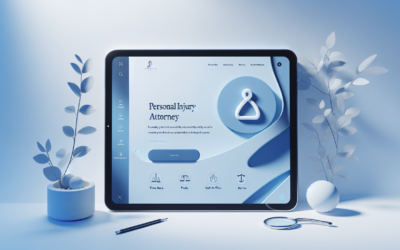
Done-For-You Personal Injury Law Website For Sale
If you are aiming to grow your personal injury practice online, this done-for-you website solution is designed to save you time, reduce risk, and put your firm in front of more potential clients. You will receive a complete, ready-to-launch website tailored to the personal injury niche, with professional design, optimized content, compliant legal pages, and built-in conversion elements. In this guide, you’ll learn what makes a done-for-you site valuable, what you can expect to receive, how the process works, and how to decide if this is the right move for your practice.

Why a done-for-you website makes sense for your practice
You might be wondering what sets a done-for-you website apart from a do-it-yourself option. The answer is simple: you gain speed, accuracy, and consistency. A professionally prepared site saves you months of trial and error, ensures you are compliant with legal advertising standards, and provides a foundation that is easy to scale as your firm grows.
- You can focus on client work while the site handles lead generation and credibility.
- You receive a polished, conversion-focused design that resonates with potential clients.
- You gain peace of mind knowing that the content, structure, and technical setup are designed for search visibility and user experience.
- You unlock predictable maintenance and support, so your site stays current with changing laws, plugins, and security best practices.
To help you understand what to expect, the following sections break down the major components, how they work together, and how you can leverage them to attract more qualified cases.
What makes a high-quality personal injury law website
A high-quality personal injury site balances aesthetics, trust, and performance. It should convey expertise, demonstrate credibility, and guide visitors toward taking meaningful actions such as calling, filling out a contact form, or scheduling a consultation. Key characteristics include:
- Clear value proposition on the homepage that immediately communicates how you help clients.
- Strategy-aligned navigation that makes it easy to find information about services, practice areas, and outcomes.
- Persuasive, informative content that answers common questions and addresses concerns.
- Demonstrations of credibility, such as attorney bios, case results, client testimonials, and professional affiliations.
- Strong calls to action (CTAs) that encourage visitors to contact you or schedule a consultation.
- Fast load times, responsive design, and accessibility features to serve all visitors.
- Compliance with advertising rules and ethical guidelines in your jurisdiction.
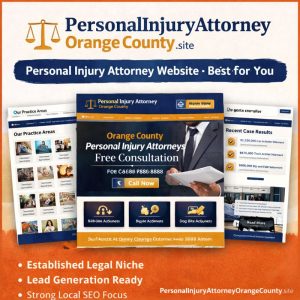
What’s included in a done-for-you personal injury website package
A standard done-for-you package is designed to deliver a fully functional, ready-to-launch site with a clear path to lead generation. While exact inclusions can vary by provider, you can typically expect the following:
- Domain and hosting setup or transfer
- A professional, responsive website design tailored to personal injury practice
- Keyword-optimized pages for core practice areas (e.g., car accidents, slip-and-fall, medical malpractice)
- Legal pages required for compliance (disclaimer, privacy policy, terms of use, and advertising disclosures)
- Attorney bios and contact information presented in a credible, trust-building way
- Lead capture forms with integration to your CRM or email automation
- Conversion-focused homepage and service pages
- SEO-friendly metadata, schema markup, and structured data for local search
- Content templates or initial blog posts to support ongoing SEO and outreach
- Security features, SSL, and ongoing maintenance plan
- Analytics setup with goal tracking and insights
- Training materials or onboarding walkthrough to help you use the system
Table: What’s included at a glance
| Component | Description | Benefit |
|---|---|---|
| Domain & hosting | Domain management and secure hosting environment | Reliable presence and uptime |
| Website design | Custom, responsive design for personal injury | Professional impression and credibility |
| Core pages | Home, About, Practice Areas, Testimonials, Contact | Clear paths for visitors to engage |
| Legal pages | Disclaimer, privacy policy, terms, ad disclosures | Compliance and transparency |
| Lead capture | Contact forms, scheduling widget, call tracking | More qualified inquiries |
| SEO foundations | On-page optimization, local signals, schema | Better visibility in search results |
| Content framework | Ready-to-use pages, content templates, blog setup | Ongoing SEO and engagement |
| Security & maintenance | SSL, backups, plugin updates | Data protection and reliability |
| Analytics & reporting | Traffic, conversions, and performance dashboards | Data-driven decisions |
| Training & onboarding | Step-by-step guides to manage the site | Quick, independent administration |
How the purchase process typically works
Understanding the purchase process helps you plan and avoids surprises. A well-structured process includes clear milestones, transparent pricing, and reliable support. Here is a typical flow you can expect:
- Initial inquiry and discovery: You share your goals, target location, and preferred practice areas. The provider explains what is included and provides a transparent quote.
- Site audit and customization planning: If you already have a brand, you review the design direction, color schemes, and typography. If you don’t, you’ll receive a recommended style guide.
- Content alignment and optimization: The team tunes existing content or creates new pages to target your keywords and local intent.
- Site development and staging: The site is built on a staging environment that you can preview before going live. This minimizes disruption to your current online presence.
- Training and handover: You receive a walkthrough of how to publish content, edit pages, manage forms, and monitor performance.
- Launch and post-launch support: The site goes live, with a defined period of support to fix any issues and adjust settings as needed.
- Ongoing maintenance options: You can select monthly, quarterly, or annual maintenance plans that cover updates, backups, and security checks.
How to evaluate whether this is the right move for you
Before making a decision, ask yourself a few practical questions:
- Do you need speed to market? If yes, a done-for-you solution can shorten your ramp time significantly.
- Is your internal team stretched thin? A complete package reduces the need for internal resources.
- Do you want a site that’s built with conversion in mind? A purpose-built package typically includes CTAs, forms, and trust signals designed to convert visitors.
- Are you prioritizing SEO and lead generation? A package with local SEO foundations, structured data, and content templates can accelerate visibility.
- Do you require ongoing support and updates? A maintenance plan ensures your site remains secure and up-to-date.
If your answers are positive, a done-for-you personal injury website for sale can be a strong fit for your practice.
What makes the site design suitable for a personal injury practice
A specialized design is more than just aesthetics. It aligns with your practice’s credibility, informs visitors, and encourages action. Consider these design aspects:
- Professional color palette that signals trust and authority
- Clean typography with high readability on all devices
- Strategic hero messaging that communicates how you help clients
- About section that highlights attorney experience, results, and community involvement
- Practice-area pages that clearly explain services and value propositions
- Visually compelling testimonials and case results to demonstrate outcomes
- A clear, persistent CTA above the fold on every page
- Intuitive navigation and accessibility considerations for all users
Content strategy: how the website content supports your goals
Content is not just filler; it educates potential clients, builds trust, and signals authority. A robust content strategy for a personal injury site typically includes:
- Core service pages: Each major practice area gets an optimized page addressing common questions, fault, timelines, and what a client can expect.
- About and team pages: These pages showcase your credentials, experience, and community involvement to build trust.
- FAQs: A comprehensive FAQ section that anticipates visitor questions about the claims process, fees, timelines, and what to expect after an injury.
- Blog and resource hub: Regular articles that address common injuries, legal updates, and client success stories to attract organic traffic.
- Local SEO content: Location-specific pages or content to capture searches in your service areas.
- Content formats: A mix of long-form guides, quick answers, videos, and downloadable resources to engage different users.
Local search optimization: becoming visible in your target markets
Local visibility is critical for personal injury practices. A done-for-you package should include a local SEO foundation, such as:
- Local business profile optimization (Google Business Profile)
- Location-specific landing pages for the areas you serve
- NAP consistency across directories
- Local schema markup on pages
- Citations and reputable local directory listings
- Reviews strategy and reputation management guidance
If your market includes multiple counties or cities, the package can be extended to support multi-location optimization with dedicated pages and structured data.
Technical foundations that keep your site reliable
A strong technical base ensures your site remains accessible, secure, and fast. Expect the following:
- WordPress as the content management system, with a lightweight, scalable theme
- Page builders or frameworks that balance performance and ease of customization
- SSL encryption and secure hosting with daily backups
- Caching, image optimization, and minification for fast loading
- Regular plugin updates and security monitoring
- Accessibility features to comply with inclusive design standards
- Analytics and tag management integration
Conversion-focused elements you should see on the site
A site built for conversions goes beyond pretty visuals. It includes concrete features to turn visitors into inquiries:
- Prominent, action-oriented CTAs on every page
- Easy-to-use contact forms with field optimization
- A scheduling widget or call-back request option
- Compelling client testimonials and case studies
- A strong value proposition on the homepage
- A clear path from initial information to consultation
- Trust signals including attorney bios, bar memberships, and awards
Example structure of core pages
To help you visualize the site’s architecture, here is a typical core-page structure you might expect:
- Home: Quick value proposition, hero CTA, practice area highlights, testimonials, contact options
- About: Firm story, attorney bios, values, and community involvement
- Practice Areas: Individual pages for Car Accidents, Medical Malpractice, Wrongful Death, Premises Liability, Product Liability, etc.
- Case Results: Representative outcomes and anonymized client stories
- FAQ: Common questions about the claims process, timelines, and fees
- Blog: Regular posts addressing injuries, process, and updates
- Contact: Multiple contact methods, location map, scheduling options
- Privacy Policy, Terms of Use, Disclaimer: Compliance-focused pages
How to maximize return from your new website
A done-for-you site is a solid foundation, but you can amplify its impact with a few practical steps:
- Align your services with patient-friendly content: Explain legal processes in plain language, avoiding legal jargon.
- Promote local authority: Seek speaking engagements, sponsorships, and guest contributions to build local credibility.
- Content cadence: Publish new content consistently, even if it’s a short article or a FAQ update every two weeks.
- Lead nurturing: Use email automation to follow up with leads who download a guide or attend a consultation.
- Conversion experimentation: Test different headlines, CTA placements, and form lengths to improve conversion rates.
- Reviews and reputation: Encourage satisfied clients to leave reviews and respond professionally to feedback.
Table: Practical steps to maximize your site’s impact
| Step | Action | Benefit |
|---|---|---|
| Content alignment | Create client-centric pages and FAQs | Improves engagement and trust |
| Local authority | Publish community involvement and success stories | Builds local credibility |
| Regular updates | Maintain a steady blog and resource hub | Sustains SEO momentum |
| Lead nurturing | Implement automated follow-ups | Increases conversion probability |
| Conversion testing | A/B test headlines, CTAs, and forms | Optimizes lead capture |
| Reputation management | Gather and respond to reviews | Improves trust and click-throughs |
Onboarding and training: how you’ll gain independence quickly
One of the most valuable parts of a done-for-you package is how you are supported after the site goes live. You’ll typically receive:
- A guided onboarding session to familiarize you with the CMS, editing tools, and form management
- Documentation that covers basic tasks like updating practice-area pages, publishing blog posts, and reviewing analytics
- A knowledge base with step-by-step guides, troubleshooting tips, and best practices
- Access to a support channel for a defined period, so you can ask questions as you adjust to your new site
- Optional ongoing coaching or digital marketing services to accelerate results
Risks and considerations to keep in mind
No package is perfect for every situation. It’s important to consider potential trade-offs and plan accordingly:
- Customization limits: Some done-for-you packages use pre-built templates that may limit highly bespoke design changes. If you require a truly unique look or advanced custom functionality, confirm what is feasible within the package.
- Content control: Ensure you retain ownership of your content and understand licensing for any stock images or third-party assets included in the package.
- Ongoing costs: Ask about hosting, maintenance, plugin updates, and support costs after the initial delivery. Clarify what is included in the base price and what would incur additional charges.
- Compliance: Legal advertising rules vary by jurisdiction and can change. Verify that the package includes ongoing monitoring and guidance to stay compliant, and identify who is responsible for updating content as regulations shift.
- Transfer process: Confirm the steps for transferring ownership, domain control, and hosting credentials. A smooth handover reduces risk and ensures you can manage the site without interruption.
What to look for when evaluating sellers or vendors
Choosing the right provider is critical. Consider these selection criteria to make a confident decision:
- Experience and specialization: Look for providers with a documented track record in personal injury websites, not generic business sites.
- Client success stories: Case studies, testimonials, and verifiable results demonstrate credibility.
- Technical competency: The provider should be able to explain their platform choice, security measures, and performance optimizations clearly.
- Transparency: Clear pricing, deliverables, and timelines help you compare options effectively.
- Support and maintenance: Reliable post-launch support reduces your risk of issues over time.
- Compliance and ethics: The vendor should understand local advertising rules and ethical guidelines and reflect that knowledge in the design and content.
- Post-sale flexibility: The ability to adjust the package if your goals change is valuable as your firm grows.
Pricing considerations: what you should expect to pay
Pricing for a done-for-you personal injury website can vary depending on the scope, the vendor’s reputation, and the level of customization. Typical categories include:
- One-time setup and design fee: Covers discovery, planning, content creation, and the initial build
- Domain and hosting: Ongoing annual or monthly costs for domain renewal and hosting services
- Content and optimization: Optional ongoing content creation or SEO services
- Maintenance: Regular updates, backups, security scans, and technical support
- Add-ons: Advanced features like multi-location support, appointment scheduling customization, or additional integrations
When you evaluate pricing, consider total cost of ownership over 12–24 months rather than just the upfront price. A slightly higher upfront cost may be justified by stronger SEO performance, better conversions, and ongoing support that reduces your risk of downtime or security issues.
Why this investment can pay off for your practice
Investing in a done-for-you website tailored to personal injury can yield meaningful returns:
- Faster lead generation: You can begin attracting inquiries sooner with a purpose-built structure and optimized content.
- Higher credibility: A polished design and strong attorney bios increase trust with potential clients.
- Local visibility: Local SEO foundations help your site appear for relevant searches in your service area.
- Consistent messaging: A unified brand voice across pages reinforces your value proposition.
- Measurable results: Analytics and goal tracking provide actionable insights to refine your marketing.
- Time savings: You avoid the complexity of selecting, configuring, and coordinating multiple vendors.
A closer look at the content you’ll typically receive
To give you a clearer picture, here are examples of the content you might get with the package. These elements are designed to be easy to customize to your specific practice, location, and experience.
- Homepage sections: A compelling hero, a brief service overview, quick contact options, and a CTA to schedule a consultation
- Practice-area pages: In-depth explanations of each injury category, common questions, and next steps for clients
- Attorney bios: Professional bios that highlight education, certifications, notable results, and community involvement
- Testimonials and case studies: Real stories that emphasize your client-focused approach and outcomes
- Resource hub: A library of guides, checklists, and FAQs that educate visitors and support SEO
- Contact and scheduling: A streamlined contact form, phone number, and an embedded scheduling widget to capture leads
A practical example of how this site could perform
Imagine you’ve just launched your new site. In the first 90 days, you could see:
- An increase in the number of inquiries from people searching for your local area and practice areas
- Higher engagement metrics such as longer session durations and more pages viewed per visit
- Improved ranking for core keywords related to personal injury in your city or region
- A growing library of content that targets common questions and concerns, further supporting organic traffic
Of course, actual results depend on multiple factors, including market competition, the quality of your leads, and your follow-up process. The important part is that you have a structured, optimized foundation designed to grow with you.
How this fits into your broader marketing plan
A website alone is a powerful asset, but it shines brightest when integrated into a broader marketing strategy. Consider pairing your done-for-you site with:
- Local outreach: Partnerships with medical professionals, car repair shops, and community organizations to generate referrals
- Paid advertising: Targeted campaigns on search engines and social platforms to capture intent-driven traffic
- Content marketing: Ongoing content that addresses client questions, injury types, and the claims process
- Reputation-building activities: Active review collection and testimonial programs that reinforce trust
- Social proof and media appearances: Showcasing press coverage, awards, and community involvement
Getting started: steps you can take today
If you’re ready to consider a done-for-you personal injury website for sale, here are immediate steps to take:
- Clarify your goals: Define the practice areas you want to emphasize, your target locations, and the volume of inquiries you aim to achieve.
- Identify must-haves: List the features, pages, and integrations that are non-negotiable for your practice.
- Request a detailed proposal: Ask a vendor for a breakdown of deliverables, timeline, and exact pricing.
- Review samples and references: Look at other personal injury sites they’ve built and speak with current or former clients.
- Confirm ownership and transfer terms: Ensure you own the content and have a clean handover of all assets.
- Plan a launch timeline: Align your marketing efforts with the site launch to maximize visibility.
A note on ongoing success beyond the initial build
While the initial site setup is essential, long-term success comes from ongoing optimization and maintenance. You should plan for:
- Regular content updates to reflect changing laws or new case types
- Periodic SEO audits to maintain or improve rankings
- Routine security checks and performance enhancements
- Continuous testing of CTAs, forms, and user paths to improve conversion rates
- Quarterly performance reviews to adjust strategy based on data
Frequently asked questions
To help you make an informed decision, here are some common questions and concise answers:
- Do I own the website after purchase? Yes. A reputable seller will transfer ownership of the site, domain, and all assets to you, along with credentials and documentation.
- Can I customize the design after launch? In most cases, yes. A well-structured package allows ongoing customization, though major design changes may incur additional charges or require a retainer.
- Is SEO guaranteed? No one can guarantee specific rankings, but a solid done-for-you package provides a strong SEO foundation and ongoing optimization to improve your chances over time.
- What ongoing costs should I expect? Typical ongoing costs include hosting, domain renewal, plugin updates, security monitoring, and any chosen maintenance or marketing services.
- How long does it take to launch? A typical setup and launch timeline ranges from a few weeks to a couple of months, depending on scope and customization needs.
- What kind of support is available after launch? Most packages include a defined support period with options for extended maintenance and marketing services.
Final thoughts: why choosing a done-for-you website can be a strategic move
If you want a credible, high-conversion online presence for your personal injury practice without getting mired in the technical details, a done-for-you website can be an effective strategic move. You benefit from a professional design, legally compliant pages, optimized content, and a conversion framework designed to capture leads. The result is a platform that communicates your expertise, earns trust with potential clients, and supports your growth over time.
This approach gives you a reliable foundation you can build upon. As your practice expands, you can scale the site’s capabilities, broaden your content library, and refine your marketing mix based on real performance data. With the right partner, you gain a turnkey solution that aligns with your goals and helps you compete more effectively in a crowded market.
If you’d like, I can help you evaluate specific packages, compare features, and draft a short list of questions to ask potential sellers. Tell me your target locations, practice areas you want to emphasize, and any branding elements you already have. I’ll tailor the guidance to your situation and help you move forward with confidence.





0 Comments