


Can I Still File a Claim If I Was Partially at Fault for the Accident?
Being involved in an accident is stressful enough, but many people hesitate to pursue a claim because they believe fault automatically disqualifies them from compensation. In reality, being partially at fault does not always prevent you from filing a personal injury claim. In many cases, you may still be legally entitled to recover damages, depending on how fault is determined.
Understanding how partial fault works can help you make informed decisions about your rights after an accident.
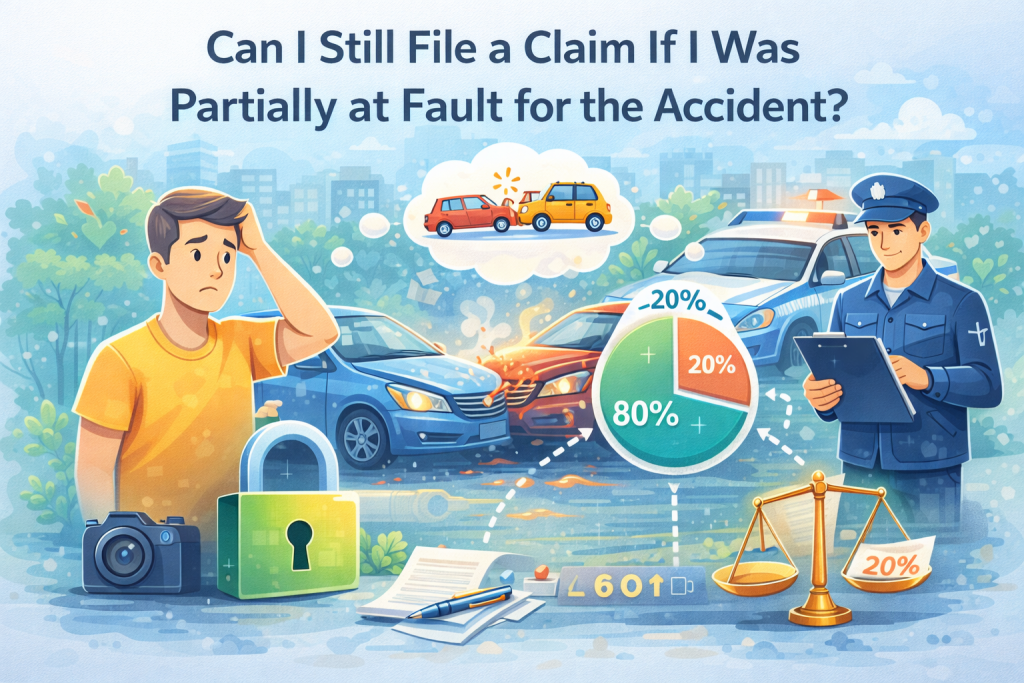
What Does “Partially at Fault” Mean?
Partial fault means that more than one party contributed to causing the accident. This could involve shared mistakes, such as speeding, failing to yield, distracted driving, or unsafe conditions that affected multiple parties. Fault is typically assessed based on evidence, including accident reports, witness statements, and other relevant documentation.
Being partially responsible does not automatically mean you lose your right to seek compensation.
How Comparative Fault Affects Personal Injury Claims
Many jurisdictions follow a comparative fault system. Under this approach, fault is divided among the parties involved, usually expressed as a percentage. Your ability to recover compensation depends on your level of responsibility for the accident.
If you are found partially at fault, your compensation may be reduced by your percentage of fault rather than eliminated entirely. For example, if you are awarded damages but determined to be 20% responsible, your recovery may be reduced accordingly.
Modified vs. Pure Comparative Fault
Different states apply comparative fault rules differently. Some allow recovery regardless of how much fault you share, while others limit recovery if your responsibility reaches a certain threshold. In these cases, being more than a specific percentage at fault may prevent recovery.
Because fault rules vary by jurisdiction, understanding how your state applies comparative fault is essential when evaluating a claim.
Evidence Matters More Than You Think
Even if you believe you were partially at fault, the final determination is not based solely on your initial impression. Insurance companies and opposing parties often attempt to assign greater blame to reduce their financial exposure. Strong evidence can play a critical role in establishing a fair assessment of fault.
Photographs, medical records, witness accounts, and expert evaluations can all influence how responsibility is allocated.
Why You Should Not Assume You Have No Case
Many people avoid filing claims because they assume partial fault automatically disqualifies them. This misconception can lead to missed opportunities for legitimate compensation, including coverage for medical expenses, lost income, and other damages.
Fault is a legal determination, not a personal admission. Until liability is fully evaluated, it is often premature to conclude that you cannot file a claim.
Protecting Your Rights After an Accident
If you were involved in an accident and believe you may share some responsibility, it is still important to explore your legal options. Filing a claim allows the facts to be reviewed and fault to be properly assessed rather than decided unilaterally by an insurance company.
Understanding how partial fault works can help ensure that you do not give up compensation you may be legally entitled to receive.











0 Comments