


Are you ready to buy a ready-made personal injury law website that immediately communicates credibility and converts visitors into clients?

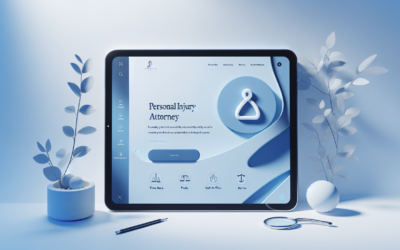
Personal Injury Law Website For Sale: Trusted Design That Builds Client Confidence
This article gives you a full, practical guide to what a high-quality personal injury law website for sale should include and how it will build client confidence. You’ll learn what to check before buying, how to evaluate trust-building design and content, and what to do after purchase to get the best return on your investment.
Why a Ready-Made Website Could Be Right for Your Firm
Buying a prebuilt personal injury website can save you time and get you in front of potential clients quickly. You’ll avoid the long planning and development cycle that comes with building from scratch while still getting a professional presence.
Who This Website Is For
This offering is aimed at solo attorneys, small to mid-size firms, and marketing teams that want a dependable online foundation with a law-specific design. If you want proven layout, content structure, and conversion elements tailored to injury law, this product is designed for you.
Key Features of a Trusted Personal Injury Law Website
You should expect a set of core features that together create a site clients find reliable and easy to use. Below are the specific elements that indicate a site was created with your legal practice and client trust in mind.
Design & Branding
A professional, consistent brand presentation reassures visitors that your firm is established and competent. You’ll want a clean logo placement, consistent color palette, and typographic hierarchy that matches legal industry standards.
User Experience (UX)
Good UX makes it easy for potential clients to find information and contact you quickly. You’ll notice clear navigation, readable content blocks, and a layout that guides visitors toward making contact.
Mobile Responsiveness
Most people will visit your site from a smartphone, so mobile optimization is essential. A responsive design ensures your site looks and works well on any device, reducing friction for users who need help now.
Trust Signals
Trust signals like badges, awards, association logos, and client testimonials directly build confidence. You’ll benefit from clear placement of these elements on your homepage and attorney pages.
Attorney Profiles
Strong attorney bios showcase credentials and personality, helping clients feel comfortable choosing your firm. You’ll want professional photos, detailed experience, bar admissions, and a friendly but authoritative bio.
Practice Areas Pages
Dedicated practice area pages let you explain the types of cases you handle in plain language. Each page should include common client questions, outcomes, and clear next steps for contacting you.
Testimonials & Case Results
Real client testimonials and case results are persuasive social proof that you can win meaningful results. You’ll want to present these with consent, context, and concise case summaries showing real impact.
Contact & Intake Forms
The contact experience must be quick and straightforward so visitors can start the intake process without friction. You’ll appreciate structured forms, optional triage fields, and visible phone numbers on every page.
Live Chat & Automated Intake
Live chat or automated intake options convert visitors who prefer immediate responses or are uncertain about calling. These tools can route leads directly to your intake team and collect initial case details.
Local SEO Features
Local SEO elements like NAP consistency, Google Business Profile integration, and location pages help clients in your area find you. You’ll want the website structured to support local visibility and map pack ranking.
Blogging & Resource Center
A content strategy that educates visitors establishes authority and supports search engine ranking. You’ll find article templates, FAQ modules, and resource document placeholders useful for ongoing content work.
Security & Compliance
Data privacy, HTTPS encryption, and secure form handling protect prospective clients and your firm’s reputation. You’ll want clear privacy notices and a framework that minimizes legal and ethical risk.
Analytics & Tracking
Built-in analytics and lead tracking let you measure performance and ROI, and help guide marketing investment. You’ll need setup instructions for Google Analytics, Google Tag Manager, and form tracking.
Accessibility
Accessibility features ensure that users with disabilities can use the site and reduce legal risk related to web accessibility. You’ll benefit from semantic markup, keyboard navigation, and readable contrast.
Design Elements That Build Client Confidence
Design choices are not merely aesthetic; they directly affect whether a visitor trusts your firm. When you review a site, assess the visual cues that make someone feel they’re in competent hands.
Color Palette and Typography
A restrained color palette and legible typography convey professionalism and calm authority. You’ll want colors that contrast well for readability and fonts that are clean and consistent across devices.
Photography & Imagery
Professional photography of attorneys, the office, and community engagement feels more authentic than generic stock photos. You’ll prefer images that show real people and a confident, compassionate tone in facial expressions.
Layout and Readability
Whitespace, short paragraphs, and clearly separated content sections improve comprehension. You’ll find that readable content helps visitors quickly understand your services and next steps.
Clear Calls to Action (CTAs)
Strategically placed CTAs—like “Request a Free Consultation” or “Call Now”—reduce decision friction for visitors. You’ll want strong visual contrast and repeated CTAs to capture potential clients at multiple stages.
Trust Badges and Awards
Display bar association logos, award badges, and certifications in visible areas to signal competence. You’ll also benefit when those badges link to verifiable sources or explanations.
Simple Navigation
A predictable and lean navigation reduces stress for visitors who need help quickly. You’ll see better conversion when primary actions like “Contact” or “Free Case Review” are prominent.
Content Strategy: What to Put on the Site
Compelling content is crucial for both trust and lead generation. Your content must address client concerns clearly, show that you understand their problem, and explain the path to help.
Homepage Messaging
Your homepage should answer three questions quickly: Who are you, what do you do, and how can someone contact you? You’ll want a concise value proposition and immediate pathways to contact options.
About / Attorney Bios
Your About and attorney pages should balance credentials with approachability so potential clients relate to you. You’ll also want to include key certifications, community involvement, and a personal note about why you practice injury law.
Practice Area Pages
Each practice area page should explain typical scenarios, the legal approach, and what results clients can expect. You’ll want client-focused language rather than internal legal jargon.
Frequently Asked Questions (FAQs)
An FAQ section handles common concerns like fees, timelines, and what information to bring to a consultation. You’ll find FAQs reduce intake friction and set realistic expectations.
Case Results & Testimonials
Case result pages should highlight outcomes, the problem, and the solution in concise terms without revealing sensitive client details. You’ll want permission for testimonials and a consistent format for presenting them.
Blog and Resources
Regular blog posts and guides help your site rank for informational queries and give you content to share on social media. You’ll also use these resources to demonstrate your courtroom knowledge and problem-solving approach.
Contact and Intake Pages
Contact pages must provide multiple ways to reach you—phone, form, email, and chat. You’ll want to make the intake process as simple as possible with clear privacy language around case info.
Table: Typical Pages and Their Purpose
| Page Type | Primary Purpose | What You Should Look For |
|---|---|---|
| Homepage | First impression & conversion | Clear value proposition, visible CTAs, trust elements |
| About/Attorney | Build rapport & credentials | Photos, bios, community ties, bar admissions |
| Practice Area | Explain services | Client-focused explanations, relatable scenarios |
| Case Results | Demonstrate success | Concise outcomes, dates, settlement/verdict context |
| Blog/Resources | SEO & authority | Regular posts, practical guides, internal linking |
| Contact/Intake | Capture leads | Easy forms, phone prominence, privacy notes |
| FAQ | Reduce friction | Answers to fee, process, timeline questions |
SEO & Local Marketing Considerations
To get clients, you need both search engine visibility and local discoverability. A site designed for personal injury law should include SEO basics plus law-specific local optimizations.
Technical SEO Essentials
Proper site structure, fast load times, XML sitemaps, and clean URL patterns are foundational. You’ll want canonical tags and mobile-first indexing considerations already set up.
Local SEO and Google Business Profile
Optimize location pages and confirm consistent Name, Address, Phone (NAP) across listings to improve local search performance. You’ll also need an optimized Google Business Profile with accurate categories, photos, and hours.
Keyword Strategy
A smart keyword approach targets intent-based phrases like “car accident lawyer near me” and informational queries like “what to do after a slip and fall.” You’ll want on-page optimization for both commercial and informational terms.
Schema Markup
Schema markup for legal services, attorney profiles, and local business can help search engines present your information more clearly. You’ll appreciate how schema can improve click-through rates with enhanced SERP features.
Reviews & Citations
Client reviews on Google and other platforms are strong ranking and conversion signals for local firms. You’ll need an easy way to request reviews and manage citations across directories.
Table: Quick On-Page SEO Checklist
| Item | Why It Matters |
|---|---|
| Title tags & meta descriptions | Helps CTR and relevance in results |
| H1 and heading structure | Improves readability and keyword distribution |
| Image alt text | Accessibility and image search potential |
| Internal linking | Helps users and spreads authority |
| Page speed | Directly affects rankings and UX |
| Mobile-friendly design | Mobile-first indexing requirement |
Lead Generation & Conversion Optimization
A website’s job is to convert visitors into clients. The design and function must focus on making the intake process as effortless and trustworthy as possible for a stressed visitor.
Forms & Intake Flow
Short, focused forms with optional triage questions improve completion rates. You’ll want integrations with your CRM or intake system to avoid manual re-entry and respond quickly.
Calls to Action and Lead Magnets
Use multiple CTAs and consider lead magnets like “What to Bring to Your Free Consultation” to collect contact information. You’ll find that simple, helpful content increases engagement and perceived value.
Live Chat and Chatbots
Live chat captures visitors who prefer typed communication and can increase leads by providing immediate answers. You’ll need appropriate staffing or an automated handoff to ensure timely responses.
Follow-Up Automation
Automated email or SMS confirmations and follow-ups keep leads engaged while your team prepares for intake. You’ll want templates for appointment confirmations, documentation requests, and polite reminders.
Conversion Tracking
Track form submissions, calls, chat interactions, and downloads to understand which channels produce clients. You’ll use this data to refine messaging, ad spend, and staff allocation.
Legal & Ethical Compliance
The legal industry has specific advertising, confidentiality, and practice rules you must respect on your website. Compliance reduces risk and preserves your professional standing.
Advertising and Ethical Rules
Your website should comply with bar advertising rules, including truthful statements, no misleading claims, and proper disclaimers. You’ll want to confirm wording around case results and testimonials aligns with local rules.
Client Confidentiality and Data Protection
Intake forms must protect client data, and your privacy policy must be clear about how you use submitted information. You’ll want secure, encrypted storage and limited access for staff.
Disclaimers and Medical/Legal Info
Include disclaimers clarifying that content is informational and not legal advice, and provide guidance on when people should contact an attorney. You’ll also want to avoid giving specific legal advice in a way that could create an unintended attorney-client relationship.
Jurisdictional Specifics
Legal practice and advertising rules vary by state and country, so content should be reviewed for jurisdictional compliance. You’ll benefit from a legal review to ensure firm statements about practice limits and licensing are accurate.
Technical Setup, Hosting & Maintenance
Technical infrastructure influences site speed, uptime, and security—elements that affect client experience and your professional image. Knowing the technical requirements helps you plan ongoing costs.
Hosting Requirements
Choose hosting with strong uptime, fast response times, and law-firm-friendly security features. You’ll prefer managed hosting that includes updates, backups, and customer support tailored to business owners.
SSL and Security
HTTPS is required, and extra measures like WAFs (web application firewalls) and malware scanning reduce risk. You’ll want secure contact forms and limited data exposure to third-party plugins.
Backups and Software Updates
Automated daily backups and routine CMS/plugin updates protect you from data loss and exploits. You’ll expect a documented maintenance schedule and an easy rollback option.
Performance and Caching
Performance optimization improves user experience and search rankings via caching, CDN usage, and image optimization. You’ll notice faster pages reduce bounce and increase engagement.
CMS & Onboarding
The site should include an easy-to-use CMS and onboarding documentation so your staff can update content. You’ll appreciate video tutorials or a short training session as part of the sale.
Table: Hosting Options Comparison
| Hosting Type | Pros | Cons |
|---|---|---|
| Shared Hosting | Low cost | Lower performance and less security |
| Managed WordPress | Optimized, secure, support | Higher cost, limited server access |
| VPS / Dedicated | Full control, high performance | Requires IT management |
| Cloud Hosting (AWS/GCP) | Scalable and powerful | More complex setup and cost management |
Pricing, Licensing & Transfer Process
Understand what you’re paying for, who owns what, and how the transfer of assets will happen. Transparent licensing and a clear transfer checklist protect your investment.
What’s Typically Included
A sale usually includes source files, content, images, CMS, plugins (if allowed), and initial setup support. You’ll need a list of included items and any recurring plugin or theme subscriptions.
Licensing and Ownership
Confirm that you receive full ownership or a transferable license for the site’s code, design, and content. You’ll also want clarity on third-party assets or licenses that might require extra fees.
Transfer Checklist
A proper transfer includes domain access, hosting credentials, CMS admin accounts, Google Analytics, Google Business ownership, and any CRM or email integrations. You’ll want a signed handover document and staging-to-live guidance.
Ongoing Costs
Factor in hosting, plugin or SaaS subscriptions, security monitoring, content creation, and occasional developer support. You’ll want to budget for monthly and annual expenses.
Table: Single Purchase vs Subscription Models
| Model | Typical Upfront Cost | Ongoing Costs | Best For |
|---|---|---|---|
| Single Purchase | Higher one-time | Hosting, maintenance, updates | Firms wanting full ownership |
| Subscription | Lower initial | Monthly or annual fee includes updates | Firms preferring managed service |
How to Evaluate This Website Before Buying
A careful evaluation helps you avoid problems after purchase and ensures the site will meet your needs. Use both technical checks and content reviews to confirm quality.
Demo and Visual Review
Walk through the demo as if you were a prospective client, checking clarity of messaging and ease of contacting the firm. You’ll want to test mobile and desktop experiences, and read the content for tone and accuracy.
Traffic, Analytics, and Lead History
If the site has been live, review historical traffic and lead data to understand performance and sources. You’ll want transparent reporting on lead volume, form conversions, and organic visibility.
Code Quality and SEO Audit
A short technical audit will reveal errors, duplicate content, and SEO issues that could cost you time post-purchase. You’ll want proper HTML structure, responsive images, and minimal plugin bloat.
Speed and Mobile Tests
Run performance tools to assess load times and mobile usability. You’ll also want to test on low-bandwidth connections to simulate real client scenarios.
Legal and Ethical Review
Have counsel confirm that content and claims align with your jurisdiction’s rules and that necessary disclaimers are present. You’ll prefer to correct any risky language before the site goes live under your brand.
Table: Pre-Purchase Evaluation Checklist
| Check | What to Verify |
|---|---|
| Visual Demo | Messaging, CTAs, trust signals |
| Mobile Responsiveness | Touch targets, readable text |
| Analytics | Traffic, conversions, source data |
| Code & SEO | Clean markup, meta tags, structured data |
| Legal Compliance | Disclaimers, testimonials, advertising rules |
Post-Purchase Action Plan
After purchase, an organized plan helps you launch quickly and start generating leads. Follow these prioritized steps to ensure the site works for your firm and your clients.
Immediate Steps
Transfer domain and hosting credentials, change passwords, and set up two-factor authentication. You’ll also want to switch analytics and Google Business ownership to your accounts.
Branding and Content Update
Swap placeholder names, photos, and contact information for your firm’s assets, and review copy to match your voice. You’ll ensure attorney bios, practice area details, and case results reflect your real work and jurisdiction.
SEO and Local Launch
Confirm on-page SEO, submit sitemaps, and set up local citations and review-gathering processes. You’ll begin a content calendar to build topical authority and target priority keywords.
Marketing Activation
Turn on paid campaigns, social profiles, email outreach, and referral requests to start capturing local attention. You’ll want call tracking and campaign tagging to measure performance.
Staff Training and Intake Workflow
Train staff on the new intake forms, lead notifications, and follow-up templates so leads receive prompt, consistent responses. You’ll define who handles online lead triage and case assignment.
Table: 30/60/90 Day Post-Purchase Checklist
| Timeline | Key Actions |
|---|---|
| 0–30 days | Transfer assets, brand updates, testing, basic SEO |
| 31–60 days | Content publishing, local citations, paid campaign launch |
| 61–90 days | Analyze conversions, optimize forms, begin review outreach |
Frequently Asked Questions
Below are common questions you might have about buying a personal injury law website and honest answers to help with your decision.
Will this website be unique to my firm?
Most ready-made sites include customizable branding so your website will look unique, but structural templates often remain the same. You’ll want to request customizations if you require unique layout or functionality.
What happens to existing SEO if the site changes?
A site migration or redesign can cause temporary ranking fluctuations if redirects and metadata aren’t handled properly. You’ll protect SEO by implementing 301 redirects, preserving content quality, and monitoring traffic closely.
Can I host the site on my current hosting provider?
Usually yes, as long as your hosting meets the site’s technical requirements. You’ll want to confirm PHP versions, database support, and resource limits to ensure stable performance.
How long before I start seeing leads?
Lead generation timing depends on local demand, SEO state, and marketing spend. You’ll typically see calls and form submissions within days if you turn on local ads and have robust local listings.
Will the sale include content rights?
Confirm in writing whether you receive full content rights and if any third-party content requires additional licensing. You’ll prefer full copyright transfer to avoid complications when updating or repurposing material.
Conclusion
A well-designed personal injury law website for sale can fast-track your firm’s online credibility and lead generation if you choose carefully and follow a structured launch plan. You’ll benefit most by verifying technical quality, ensuring ethical compliance, and implementing a post-purchase marketing and intake process that turns visitors into clients.









0 Comments