


Have you ever wondered why your WordPress site sometimes behaves differently after updates?
WordPress Core Updates Vs Plugin Updates: Why You Need Both
Keeping a WordPress site secure, fast, and reliable is not a one-and-done task. It’s an ongoing practice that involves two core types of updates: updates to WordPress itself (the core) and updates to the extensions you install (plugins and themes). You rely on both, but for different reasons and with different risk profiles. In this article, you’ll learn why you truly need both kinds of updates, how they affect performance and security, and why weekly checks are a smart habit to protect your site’s health.
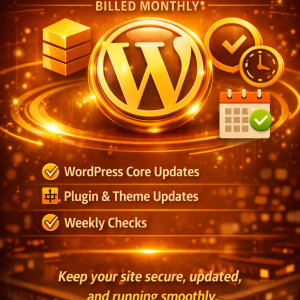
WordPress Care Essentials is a website maintenance package that includes the following:
- WordPress core updates
- Plugin & theme updates
- Weekly Checks
These components are designed to work together to keep your site secure, loading quickly, and compatible with the latest web standards. You’ll find practical guidance, concrete examples, and actionable steps you can apply whether you run a personal blog, a business site, or a growing online storefront.

What is WordPress Core?
WordPress core refers to the essential software that powers your entire site. It includes the core files, the database structure, and the built-in features that define WordPress. Core updates come from WordPress itself and are released to address security vulnerabilities, bug fixes, performance improvements, and new features. When you apply a core update, you’re updating the backbone of your site.
Why you should pay attention to core updates:
- Security: Core updates often fix critical vulnerabilities that could be exploited by attackers.
- Compatibility: Updates ensure that WordPress remains compatible with modern PHP versions, web standards, and hosting environments.
- Stability: Bug fixes in the core layer reduce the chances of site-wide issues that disrupt user experience.
What is a Plugin Update?
Plugins extend WordPress’s functionality. They add contact forms, SEO features, caching, galleries, e-commerce capabilities, and much more. A plugin update typically includes new features, improvements, security fixes, and compatibility tweaks. Plugins are developed by a wide array of developers, and updates can occur frequently.
Why plugins matter to your site:
- Functionality: Updates can improve or fix essential features your site relies on.
- Compatibility: Plugins need to stay in step with the latest WordPress core and PHP versions to function correctly.
- Security: Vulnerabilities in plugins are a common entry point for attackers; timely updates reduce risk.
Why You Need Both: Core and Plugins Work Together
Think of WordPress core as the engine and plugins as the tools that shape what your site can do. If you update the engine but ignore the tools, you might lose functionality or create compatibility problems. Conversely, if you update only the plugins and neglect the core, you may expose your site to security risks or break core functionality.
By keeping both core and plugin updates current, you create a cohesive, well-supported environment where features work as intended, security is stronger, and performance remains consistent. You don’t want one outdated piece holding back the entire system. A well-maintained site reduces downtime, protects user data, and delivers a smoother experience for your visitors.
How Updates Impact Performance, Security, and Compatibility
You’ll notice several concrete effects when you keep your WordPress core and plugins up to date:
- Performance: Updates often include performance optimizations, faster loading times, and better resource utilization. A lean, efficient core plus well-optimized plugins translates into quicker page rendering and smoother interactions.
- Security: Security patches guard against known vulnerabilities. Delaying updates increases exposure to exploits that could compromise user data, your site’s reputation, and even search engine rankings.
- Compatibility: Core updates and plugin updates aim to maintain compatibility with current PHP versions, browsers, and hosting environments. If one part is out of date, you may encounter errors, white screens, or broken features.
- Features and bug fixes: You gain access to new features, improved interfaces, and resolved bugs that can make site administration easier and more reliable.
You might assume updates slow you down or introduce new bugs. In reality, the opposite is often true: ongoing updates reduce risk, improve performance, and stabilize the overall experience for you and your visitors.
Risks of Skipping Updates
Skipping updates creates a cascading set of risks:
- Security breaches: Older code is more vulnerable to known exploits. A single unpatched vulnerability can lead to a data breach or service disruption.
- Incompatibility: WordPress core evolves, as do many plugins. Delayed updates can leave you with code that doesn’t play well together, resulting in errors or broken pages.
- Performance regressions: Security patches and optimizations are often designed to keep performance current. Waiting too long can mean you miss out on improvements and may experience slower responses.
- Compliance and reliability concerns: If you rely on your site for payments, data collection, or user interaction, keeping software current helps maintain compliance and reliability standards.
Your goal is to minimize these risks while preserving functionality. That means balancing the timing of updates, testing when possible, and implementing a robust weekly checks routine.
The Weekly Checks Concept: Why They Matter
Weekly checks act as a proactive safety net. They aren’t just about applying updates; they’re about validating that your site remains healthy after changes, identifying potential issues early, and staying ahead of performance and security problems.
What a weekly check typically covers:
- Update monitoring: Review available core, plugin, and theme updates and assess their impact using a cautious, staged approach.
- Backups: Verify that backups are current and restorable. A good weekly rhythm includes at least one recent backup from the week.
- Security signals: Check for unusual activity, login attempts, or plugin alerts that could signal a vulnerability.
- Performance indicators: Review page load times and resource usage to catch slowdowns early.
- Compatibility checks: Ensure critical features work as expected, especially those tied to e-commerce, forms, and user authentication.
- Error detection: Scan for PHP errors, broken links, or JavaScript console errors that could degrade user experience.
Weekly checks create a predictable routine. Rather than reacting to emergencies, you’re actively maintaining a stable environment that reduces the likelihood of downtime and the severity of any issues that do arise.
A Practical Weekly Maintenance Plan You Can Implement
To make weekly checks actionable, you can follow a simple plan that covers the essential areas without overwhelming yourself or your team. The plan below is designed to be practical, repeatable, and scalable, whether you’re managing a single site or a portfolio of sites.
-
Monday: Review updates and backups
- Check for available WordPress core updates, plugin updates, and theme updates.
- Confirm that a fresh backup was created in the last 24 hours and that the backup completes successfully.
- If a critical update is available, set up a staging environment, apply the update there first, and test key functionalities.
-
Tuesday: Security and access review
- Look for unusual login activity, password changes, or new user accounts.
- Verify that security plugins are up to date and functioning.
- Confirm that SSL certificates remain valid and that there are no reported certificate errors.
-
Wednesday: Performance baseline
- Run a quick performance check to measure core web vitals, such as Largest Contentful Paint (LCP) and Time to First Byte (TTFB).
- Check caching and CDN configurations to ensure they’re delivering assets efficiently.
- Review the site’s response times across critical pages (home, product pages, contact form, checkout, etc.).
-
Thursday: Functionality sanity check
- Test critical interactions: forms, e-commerce checkout, cart updates, user login, and search.
- Confirm that interactive elements load correctly and that there are no JavaScript errors.
- Validate any custom functionality added by plugins or themes.
-
Friday: Content and accessibility audit
- Ensure content renders correctly on different devices and screen sizes.
- Check for broken internal links and missing images.
- Review accessibility basics (alt text for images, proper heading order, and keyboard navigation).
-
Saturday/Sunday: Documentation and planning
- Document any changes made during the week and note any issues that require follow-up.
- Plan for upcoming updates, testing needs, and potential risks.
- Reserve a slot for a deeper dive if you identify recurring problems or gaps in the routine.
This plan is a template you can adapt. The key is consistency and thoroughness. A structured routine makes it more likely that you catch issues early, minimize downtime, and protect your site’s visitors and data.
A Deeper Look at Core Updates vs Plugin Updates: Practical Scenarios
To appreciate why both update types matter, consider some concrete scenarios where updating behavior matters. These examples illustrate how neglecting one side can lead to different kinds of problems.
-
Scenario 1: Core update introduces performance improvements but breaks a plugin
- You update WordPress core and gain faster page rendering, improved security, and new features. However, a popular plugin you rely on doesn’t yet support the latest core version, causing a conflict or a feature to break.
- How to handle: Use a staging environment to test the core update with your critical plugins. Wait for plugin developers to release compatible updates or contact them about timelines. Apply a measured, incremental approach on production after compatibility is confirmed.
-
Scenario 2: Plugin update fixes a security vulnerability but changes a user interface
- A plugin you rely on for form submissions is updated to fix a vulnerability. The update also alters the form settings, which could confuse site editors or impact existing submissions.
- How to handle: Review release notes, test the updated plugin in staging, and train editors on any UI changes before applying the update to production.
-
Scenario 3: A core security patch vs a plugin vulnerability
- A core security fix is released alongside plugins with their own vulnerability patches. If you’re behind on either side, you’re exposing your site to risk.
- How to handle: Prioritize security patches, but test compatibility in a staging environment first. Apply updates in a controlled order to avoid cascading issues.
-
Scenario 4: A plugin introduces new features that require configuration changes
- A plugin update brings new features or settings that require you to adjust workflows, forms, or caching rules.
- How to handle: Review the change log, plan configuration changes in a controlled way, and test the impact on user experience and performance.
These scenarios show that updates aren’t just “install and go.” They’re changes to behavior, performance, and security that require thoughtful testing and planning. The average site lives at the intersection of core and plugin ecosystems; your approach to updates should respect both ecosystems.
How to Build a Robust Update Strategy
A robust strategy isn’t a one-time effort. It’s a repeatable process that you can follow weekly, monthly, and quarterly. Here are building blocks you can adopt.
-
Use a staging environment
- A staging site lets you test updates without risking your live site. It’s the safest way to uncover incompatibilities and regressions before they affect your visitors.
-
Establish a backup-first policy
- Before applying any update, create a fresh backup. If something goes wrong, you can roll back quickly.
-
Test in increments
- Don’t apply all updates at once on production. Update core first, test, then update plugins in small batches, testing critical workflows after each batch.
-
Prioritize security patches
- Security updates are time-sensitive. If you must choose, apply security patches promptly while continuing careful testing for compatibility.
-
Maintain a changelog
- Document what changes you applied, why you applied them, and any issues encountered. A clear changelog helps you diagnose future problems more efficiently.
-
Leverage automation where appropriate
- Automated backups, update notifications, and uptime monitoring can save you time and reduce the risk of human error. Use automation to handle routine tasks, while keeping human oversight for critical decisions.
-
Keep testing coverage high
- Ensure that essential pathways, including e-commerce flows, member logins, contact forms, and search, are tested after updates. Expand testing as your site adds features.
By combining a staged approach with routine weekly checks, you stay in control of your site’s health. You reduce emergency fixes and gain predictability in your maintenance cycle.
A Practical Maintenance Toolkit: What Helps You Stay on Top
To sustain a healthy site, you’ll want a toolkit that covers monitoring, testing, and recovery. Here are recommended components you can implement or adapt to your workflow.
-
Backup and restore tools
- Reliable backups with one-click restore capabilities protect you against update mishaps and data loss.
-
Update management
- A centralized dashboard for core, plugin, and theme updates helps you track what’s pending, what’s been updated, and what needs testing.
-
Security monitoring
- A security layer that flags unusual login activity, malware signatures, and vulnerable plugins helps you respond quickly.
-
Performance monitoring
- Tools that measure load times, server response, and resource usage keep you aware of performance shifts after updates.
-
Error tracking
- A simple error log for PHP, JavaScript, and server issues helps you catch issues before your visitors notice.
-
Documentation and ticketing
- A system to record issues, actions taken, and follow-up tasks ensures accountability and continuity as teams grow.
-
Vendor and support access
- Maintain channels with hosting providers, plugin authors, and theme developers so you can get timely help when needed.
-
Accessibility checks
- Regular checks for accessibility issues ensure you’re serving a broad audience and meet compliance expectations where applicable.
If you’re unsure where to start, you can map these components to your existing workflows and gradually add pieces as you gain confidence. The key is to keep things simple enough to sustain while being robust enough to protect your site’s health.
A Quick Reference: Core Updates vs Plugin Updates at a Glance
The following table provides a concise comparison to help you remember how core and plugin updates differ, what they typically affect, and how you should approach them.
| Aspect | WordPress Core Updates | Plugin Updates |
|---|---|---|
| What they update | Core WordPress software, security fixes, and performance improvements | Individual extensions that add features or fix issues |
| Typical release cadence | Minor/security releases several times per year; major releases a few times per year | Regular; varies by plugin, often monthly or as needed |
| Primary risk | Compatibility with themes and plugins; potential for breaking core functionality | Compatibility with core, other plugins, and custom code; feature changes |
| Impact on site | Major impact if breakage occurs; affects admin experience and front-end behavior | Localized impact to features provided by the plugin; can affect workflows |
| Testing needs | Test core changes across critical site paths and integrations | Test updated plugins with core and key plugins to ensure workflow integrity |
| Rollback strategy | Rollback to previous core version if possible (depends on hosting and plugin support) | Rollback by re-installing previous plugin version or restoring from a backup |
| How to approach | Schedule updates in a staged process; use a staging site for major upgrades | Apply updates in batches, especially for multi-plugin ecosystems; test critical features first |
| Typical safeguards | Backups, staging tests, compatibility checks, and monitoring | Backups, gradual rollout, release notes review, and compatibility verification |
This table is not exhaustive, but it helps you see that core updates and plugin updates operate in parallel with different considerations. Your maintenance approach should respect both sides and keep them aligned so that your site runs reliably.
A Simple Example: The Impact of Weekly Checks on a Small Business Site
Imagine you run a small business site with a storefront, a blog, and several landing pages. You’re not a full-time developer, but you want to keep things secure and reliable for your customers.
- Without weekly checks, you might miss a plugin update that introduces a minor but visible regression in the checkout flow. If that regression goes unattended, it could cause abandoned carts and lost revenue.
- If you neglect core updates, you risk exposure to security vulnerabilities that could compromise customer data or disrupt service. A single vulnerability could escalate into a larger incident that drags down your site’s reputation and rankings.
- With a weekly checks routine, you proactively apply updates after initial testing, confirm critical features still work, verify backups are current, and monitor for new security alerts. You reduce the likelihood of major disruptions and improve overall performance.
This kind of disciplined approach proves especially valuable if you’re managing a site that relies on trust, conversion rates, and customer confidence. The peace of mind that comes from knowing you’re actively maintaining a healthy environment can be a competitive advantage.
Real-World Considerations: How a Maintenance Plan Helps You Stay Ahead
Maintenance is not a luxury; it’s a risk management practice. Your plan should account for the reality that the WordPress ecosystem is dynamic, with frequent updates that bring improvements and new vulnerabilities alike. Here are some practical considerations to keep in mind:
- Hosting environment: Your hosting provider’s configuration, PHP version, and server performance influence how updates perform. Some hosts offer staging environments or one-click staging that can simplify testing updates before you apply them to production.
- Plugin quality and support: The reliability of updates often correlates with the quality of the plugin’s development and support. Rely on plugins with a solid update history, good documentation, and active support channels.
- Custom code and integrations: If you have custom code or integrations with external services, updates can affect these touchpoints. You’ll want to test any customizations in staging whenever you update core or significant plugins.
- Data sensitivity: If your site handles sensitive data, you’ll want to have stronger backup strategies and perhaps a quick rollback plan to minimize exposure in case of issues.
- Compliance requirements: Some industries require specific version controls, logging, and testing procedures. Your maintenance plan should align with any regulatory obligations.
By keeping a long-term perspective—recognizing that updates are part of the normal lifecycle of your site—you’ll feel more confident in your ability to plan, test, and respond to changes.
How to Start Today: A Simple Implementation Plan
If you’re ready to implement or refine your update and weekly check routine, here’s a practical six-step plan you can start this week.
- Establish a staging environment
- If you don’t already have one, set up a staging site that mirrors your production environment. This is your testing ground for updates.
- Create a backup cadence
- Ensure you have reliable backups scheduled at least weekly, with an additional backup before any update on staging or production.
- Define your update window
- Choose a regular window (for example, every Tuesday afternoon) to review and apply updates. Communicate this schedule with any team members and stakeholders.
- Test critical paths on staging
- After applying updates on staging, run through essential workflows: product purchases, contact forms, login flows, and content editing.
- Apply updates in a staged manner
- Start with core updates, then proceed to theme updates, and finally plugin updates in small batches. Verify functionality after each stage.
- Review and document
- Record what you updated, any issues encountered, how you resolved them, and any follow-up tasks. Use this information to improve your next cycle.
This plan is intentionally straightforward. It’s designed to be sustainable for busy site owners while still delivering meaningful protection and performance benefits.
Conclusion: Why You Benefit from Both Core and Plugin Updates and a Weekly Checks Routine
In summary, you need both WordPress core updates and plugin updates because they influence your site in complementary ways. Core updates safeguard security, improve performance, and ensure compatibility with modern hosting and development standards. Plugin updates preserve and extend functionality while also addressing security and compatibility issues. Together, they form the foundation of a healthy WordPress site.
Weekly checks are the proactive practice that makes updates effective rather than risky. They give you a predictable cadence, help you detect problems early, and provide a framework for responsible maintenance. With a clear update strategy and a practical weekly routine, you position your site to deliver a smooth experience to your visitors, protect your data, and support your business or personal goals.
If you want a ready-made approach, consider adopting a maintenance framework like WordPress Care Essentials. Its core components—WordPress core updates, plugin and theme updates, and weekly checks—provide a clear, actionable path toward ongoing site health. You don’t have to manage everything alone, but you do need a consistent plan that respects the distinct roles of core and plugin updates while prioritizing safety, performance, and reliability.
Remember: updates are not merely chores. They are governance for your digital presence. By embracing both core and plugin updates and by committing to a thoughtful weekly checks routine, you invest in a website that stays secure, loads efficiently, and serves your audience with confidence. Your site’s longevity and your visitors’ trust depend on it.







0 Comments