


Have you ever wondered how regular WordPress updates can prevent long-term technical issues from accumulating on your site?
How Regular WordPress Updates Reduce Long-Term Technical Issues
You rely on your WordPress site for customers, readers, or clients. When updates are rushed, delayed, or ignored, small problems can snowball into big headaches. Consistent updates—covering WordPress core, plugins, and themes—toster the most fragile corners of your site into reliable operation. In this article, you’ll learn why updates are not just about new features, but about preserving security, performance, and stability over the long term. You’ll also discover how weekly checks act as a safety net to catch issues before they become migraines.

Why Regular Updates Are Necessary
Updates exist for a simple reason: software evolves. WordPress core, thousands of plugins, and numerous themes are constantly improved to fix bugs, patch security vulnerabilities, improve performance, and add compatibility with new technologies. When you stay current, you gain the benefits of those improvements without letting problems accumulate.
You should view updates as ongoing maintenance rather than a one-off event. Each update is a small investment that reduces risk today and pays dividends tomorrow. If you skip updates, you’re not just missing new features; you’re inviting a cascade of potential issues. Over time, those issues can manifest as:
- Security vulnerabilities that are exploited by attackers
- Incompatibilities between core and plugins or themes
- Broken pages or features after updates, leading to user frustration
- Slower performance or reduced reliability due to deprecated code
- Difficulty applying future updates because of chained conflicts
When you take updates seriously, you reduce the odds of disruptions and create a smoother, more predictable site experience for your audience.
How WordPress Updates Work
Understanding the mechanics of updates helps you set realistic expectations and craft a practical workflow. There are three major domains to consider: core updates, plugin updates, and theme updates. Each domain has its own cadence and implications for your site’s stability.
- WordPress core updates: The foundational software of your site. Core updates include security patches, performance improvements, and feature enhancements. They sometimes require accompanying changes in plugins or themes to stay compatible.
- Plugin updates: Individual blocks of functionality that extend WordPress. Plugins can fix bugs, patch security holes, or add features. Because plugins interact directly with core and other plugins, updates can introduce conflicts if others aren’t updated.
- Theme updates: Visual and structural elements that determine layout and styling. Theme updates can align with core changes, add new options, or fix issues caused by updates in core or plugins.
The interaction among these domains matters. A smooth update cycle depends on keeping all three aligned. When you apply a core update, you’ll usually want to update your plugins and themes soon after to maintain compatibility. Conversely, updated plugins or themes can sometimes require minor core adjustments or compatibility patches.
The Long-Term Risks of Delayed Updates
Delaying updates is like waiting to repair a leaky roof until rain turns the attic into a flood zone. The longer you postpone, the bigger the potential flood.
Key risks include:
- Security exposure: Attackers continuously probe for vulnerabilities. Outdated software creates an open door for breaches, data loss, or site defacement.
- Compatibility breakdown: An updated plugin or theme might rely on newer core features. If your core is out of date, you could see errors or broken functionality.
- Performance degradation: Security patches and efficiency improvements often come with code optimizations. Delays mean you miss out on these enhancements, which can slow your site over time.
- Maintenance debt: Small issues accumulate into significant technical debt. When you eventually update, you may face a flurry of compatibility warnings and a longer remediation period.
- Reputation and trust: A site that repeatedly experiences issues can erode user trust, reduce conversions, and harm your SEO rankings.
By staying current, you reduce these risks and preserve a healthier foundation for future growth.
The Role of Weekly Checks
Updates alone don’t guarantee a flawlessly functioning site. You need a proactive, ongoing check routine to catch issues early and verify that your site remains healthy between update cycles. Weekly checks are a practical cadence that balances effort with protection. They help you confirm that:
- Core, plugin, and theme updates have not introduced conflicts
- Backups are current and restorable
- Security measures remain effective
- Performance remains within acceptable thresholds
- Pages and essential workflows function as expected
Weekly checks act as an early warning system. They give you the opportunity to react quickly to problems before users encounter them, minimizing downtime and service disruptions. This approach is particularly valuable for sites with high traffic, ecommerce components, or mission-critical features.
A Practical Update Strategy: Core, Plugins, and Themes
To implement a sound update strategy, you need a repeatable process that minimizes risk and maximizes predictability. Here’s a practical framework you can adapt to your workflow:
- Schedule and cadence: Establish a regular schedule for updates and checks. This might mean core and essential plugin updates on a weekly basis, with monthly reviews of all themes and add-ons.
- Staging environment: Before making changes on your live site, replicate your environment in a staging environment. This mirrors production behavior without risking customer-facing disruption.
- Backups: Ensure you have verified, reliable backups before applying updates. A solid backup strategy includes both full-site backups and transactional backups where possible.
- Compatibility testing: In staging, test critical paths such as checkout flows, login and account management, contact forms, and member logins. Confirm that essential functions still work after updates.
- Gradual rollout: If you manage a high-traffic or complex site, consider staged deployment. Roll out updates to a subset of users first, monitor results, then extend to the entire site if everything looks good.
- Rollback plan: Have a clear rollback plan in case an update causes a problem. Know how to revert to a previous version of core, plugins, or themes, and how to restore a backup quickly.
- Documentation: Keep records of updates, issues discovered, and how they were resolved. Documentation makes future updates smoother and provides a reference for accountability.
This structured approach reduces stress, lowers risk, and helps you maintain consistency over time.
Why Weekly Checks Are Necessary for Smooth Running
Weekly checks complement updates by providing continuous assurance that your site remains healthy between update cycles. Think of weekly checks as a maintenance habit that protects your investment. They help you catch and fix issues before they escalate into major problems.
Benefits of weekly checks include:
- Early detection of conflicts: While updates aim to prevent problems, conflicts can still emerge. A weekly check helps you identify and resolve these conflicts quickly.
- Data integrity: Regular checks verify that backups, restores, and data integrity processes operate correctly.
- Performance consistency: You can monitor page load times, resource usage, and caching effectiveness to ensure your site remains fast and reliable.
- Security posture: Ongoing verification of security measures, monitoring of suspicious activity, and updates of security tools help you stay ahead of threats.
- Service reliability: A habit of weekly checks reduces the chance of unplanned downtime, which preserves user trust and search engine visibility.
In practice, you can structure weekly checks to cover essential areas, so you always know where your site stands and what needs attention.
A Clear View: Update Cadence and Risks
To help you visualize how updates fit into your maintenance plan, consider the following table. It summarizes update types, typical frequencies, main benefits, and common risks with practical mitigation.
| Update Type | Frequency | Primary Benefit | Common Risks | Mitigation |
|---|---|---|---|---|
| WordPress Core | As updates are released (often monthly to quarterly) | Security patches, performance improvements, new features | Incompatibilities with plugins/themes | Test in staging; verify compatibility; keep a rollback plan |
| Plugins | As updates are released (weekly to monthly) | Bug fixes, security patches, feature enhancements | Conflicts with other plugins or core | Update in staging; check critical workflows; disable conflicting plugins temporarily if needed |
| Themes | As updates are released (quarterly or as needed) | Security patches, visual/style improvements, compatibility | Layout or functional breaks | Test in staging; review CSS/JS changes; ensure child theme for customizations remains compatible |
| Translations | As updates are released | Language updates; consistency | Minor UI text misalignments | Verify multilingual components and strings in staging |
This table helps you set expectations and plan your maintenance around the realities of how WordPress and its ecosystem evolve. The most important takeaway is that there is no perfect one-size-fits-all interval. The right cadence depends on your site’s complexity, traffic, and risk tolerance. The guiding principle is consistency: regular, predictable updates paired with diligent checks create a durable shield against long-term issues.
Weekly Checks: A Practical Checklist
A practical weekly checks routine makes it possible to sustain a healthy site without immersing yourself in constant firefighting. The checklist below is designed to be easy to implement and scalable, whether you’re managing a personal blog or a large ecommerce storefront.
| Check Item | What It Ensures | Suggested Frequency |
|---|---|---|
| Update status review | Confirms which Core, Plugin, and Theme updates are available and whether any failed in the last attempt | Weekly |
| Backup verification | Ensures you can restore from a backup if something goes wrong | Weekly or after updates |
| Security posture check | Scans for malware, unusual login activity, or known vulnerable components | Weekly |
| Uptime monitoring | Detects service interruptions that affect user access | Continuous/Automated; review weekly |
| Performance baseline check | Confirms page speed and resource usage remain within expected ranges | Weekly |
| Critical workflow test | Validates key actions (shop checkout, login, form submission) work properly | Weekly |
| Error log review | Identifies new errors in logs and addresses them | Weekly |
| Cache and CDN health | Ensures caching layers and content delivery optimize delivery | Weekly |
| Accessibility and compliance check | Maintains usability standards for users with disabilities | Weekly or monthly |
| Content and SEO sanity | Checks for broken links, missing metadata, or indexing issues | Weekly |
This checklist helps you convert maintenance into a repeatable, scalable routine. You can customize it to reflect your site’s unique assets, such as ecommerce, memberships, or member areas. The important part is to set a cadence and enforce it. When you treat maintenance as a weekly habit, you reduce the chance of surprise issues and you create a more stable experience for your visitors.
The WordPress Care Essentials Package: A Helpful Frame
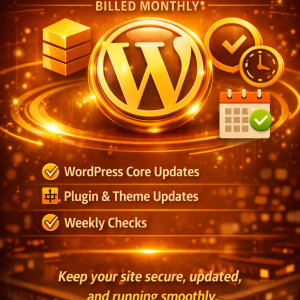
WordPress Care Essentials is designed to address the core needs of site maintenance with clarity and reliability. It includes:
- WordPress core updates
- Plugin & theme updates
- Weekly checks
These components are chosen because they represent the pillars of ongoing site health. Core updates ensure you are protected against known vulnerabilities and have access to the latest improvements. Plugin and theme updates help maintain feature parity and prevent compatibility issues. Weekly checks act as a protective layer that detects and mitigates problems before they affect your users.
If you manage a site with critical uptime requirements, this package provides a predictable, repeatable process that reduces risk and maintains performance. You’ll have confidence that your site is in good shape and that you are prepared to handle updates gracefully.
Practical Techniques for Safe Updating
The following practices help you implement updates with minimal risk:
- Use a staging environment whenever possible: A mirror of your live site lets you observe behavior after updates without impacting real users.
- Validate critical paths: Test key flows like product purchases, contact forms, member logins, and content downloads.
- Treat major updates with extra care: Major core updates may necessitate longer testing windows and more thorough checks.
- Maintain a rollback strategy: Always know how to revert to a previous version if something breaks.
- Keep a change log: Document which updates were applied and what the observed results were. This helps with troubleshooting if issues recur.
- Prioritize updates by risk: Critical security patches should be prioritized even when the site has other pending tasks.
- Automate where sensible: Use automation for routine backups, monitoring, and some non-critical updates, but preserve human oversight for high-impact changes.
These techniques help you keep the update process smooth and predictable, so you never feel overwhelmed by the complexity of WordPress maintenance.
Tools and Best Practices to Support Regular Updates
A well-equipped toolkit makes maintenance easier and more reliable. Consider the following tools and practices:
- Staging environments: Use staging for testing updates and new configurations without affecting production.
- WP-CLI: A command-line interface that speeds up updates, backups, and maintenance tasks.
- Backup plugins and services: Maintain reliable, tested backups that you can restore quickly.
- Security scanners: Regularly scan for known vulnerabilities and malicious code.
- Performance monitoring: Tools that measure loading times, server response, and resource usage.
- Change management: A documented process that captures what is updated, why, and the outcomes.
With the right tools, you can implement updates efficiently while keeping quality high and risk low.
How to Measure the Impact of Regular Updates
Measuring the impact of your maintenance program helps you demonstrate value and continuously improve. Consider these metrics:
- Uptime and availability: The percentage of time your site is accessible to users.
- Update success rate: The proportion of updates completed without rollback.
- Security incidents: The number and severity of security-related events.
- Load times and performance scores: Objective measures of site speed and responsiveness.
- Backup success and restore time: How quickly you can recover from data loss or site failure.
- User experience indicators: Conversion rates, form submissions, and customer satisfaction signals.
- SEO health: Indexing status, broken links, and crawl efficiency.
By tracking these metrics over time, you can show tangible improvements, justify resource allocation, and refine your maintenance strategy.
Common Myths About Updates
Myth 1: Updates always break sites. Reality: Updates can cause issues, but with careful testing, staging, and rollback procedures, you minimize the risk and usually preserve functionality.
Myth 2: I don’t need to update if my site seems fine. Reality: Waiting too long can lead to security vulnerabilities, compatibility problems, and missed performance gains.
Myth 3: Automatic updates are always best. Reality: Automatic updates save time but can introduce unanticipated changes. A controlled process with staging and testing often yields better outcomes for complex sites.
Myth 4: Updates are a one-time task. Reality: Updates are ongoing maintenance. A sustained routine prevents accumulating technical debt and keeps your site healthy.
Myth 5: If it isn’t broken, don’t fix it. Reality: Small, preventive updates reduce the chance of larger, disruptive failures later.
By debunking these myths, you set a more realistic expectation for maintenance and build a culture of proactive care rather than reactive repair.
Contingency and Rollback: What to Do If an Update Breaks Your Site
Even with best practices, things can go wrong. A robust contingency plan reduces downtime and makes recovery straightforward.
- Identify and isolate the problem: Check logs, error messages, and recent changes to determine the likely cause.
- Restore from a known good backup: Use a backup you tested previously to restore the site to a stable state.
- Roll back the latest update: If a specific plugin or theme update caused the issue, revert to the previous version while you investigate.
- Use staging for verification: After rollback, verify that the site is functioning as expected in staging before re-deploying to production.
- Communicate with stakeholders: Inform users or clients of the issue, the expected resolution time, and any workarounds.
- Review and adjust the plan: Update your update and rollback procedures to prevent recurrence.
Having a clear, documented contingency plan in place helps ensure that you can quickly recover from unexpected issues without panic.
Communicating with Stakeholders: Demonstrating Value
When you communicate the value of regular updates and weekly checks to clients, team members, or leadership, you’ll likely emphasize:
- Risk reduction: Regular updates minimize the risk of security breaches and downtime.
- Predictability: A consistent maintenance cadence reduces surprise issues and makes planning easier.
- Performance improvements: Updates bring performance and efficiency improvements that benefit user experience.
- Cost-effectiveness: Preventing major breakages saves time and money on emergency fixes.
- Compliance and trust: Keeping software current supports better security hygiene and builds trust with customers.
A clear narrative about the long-term benefits helps you secure buy-in for ongoing maintenance investments and ensures that maintenance remains a priority even when other tasks pile up.
Final Takeaways
- Regular WordPress updates are not merely about new features; they are a cornerstone of long-term site health.
- Core, plugin, and theme updates each play a critical role, and maintaining compatibility among them requires a careful, repeatable process.
- Delaying updates increases the risk of security breaches, performance degradation, and messy technical debt.
- Weekly checks provide a practical safety net, catching issues early and ensuring your site remains reliable.
- A structured maintenance package like WordPress Care Essentials helps you implement updates and weekly checks with clarity, accountability, and measurable results.
- Testing in staging, maintaining backups, and having a rollback plan are essential components of a safe update workflow.
- Tools such as WP-CLI, staging environments, and security scanners empower you to manage updates efficiently.
- Clear communication with stakeholders reinforces the value of maintenance and supports ongoing investment in site health.
If you want a reliable, repeatable path to keeping your WordPress site healthy, adopting a consistent update cadence and a robust weekly checks routine is a smart choice. It helps you protect your content, preserve user trust, and ensure your site continues to serve your goals effectively.
A Comprehensive Example: How It Plays Out in a Real Week
To illustrate how this approach works in practice, imagine you run a medium-size WordPress site with an ecommerce component, a community area, and a few custom features. Here’s how a typical week could unfold under a well-structured maintenance plan:
- Monday: Review update releases. Identify which core, plugin, and theme updates are available and assess potential impact.
- Tuesday: Update in staging. Apply updates to a staging site, then run a targeted set of tests focusing on critical paths: checkout flow, login, account management, and product pages.
- Wednesday: Backups and security checks. Verify that automated backups executed correctly, and run a security scan for anomalies.
- Thursday: Performance and accessibility checks. Run speed tests, caching verification, and accessibility checks to ensure the site remains performant and usable.
- Friday: Live deployment and smoke testing. Deploy updates to production in a controlled manner, perform quick smoke tests, and confirm essential paths work.
- Weekend: Review metrics and document findings. Update the change log, reflect on any issues that emerged, and plan for the next cycle.
This weekly rhythm makes maintenance predictable, reduces risk, and creates a culture of proactive care.
Closing thought: By investing time in regular WordPress updates and weekly checks, you’re investing in the stability, security, and longevity of your site. The payoff isn’t just reduced headaches today—it’s a foundation that supports growth, offers a better user experience, and protects your digital assets over the long haul. If you’d like help implementing a maintenance plan tailored to your site’s needs, consider WordPress Care Essentials as a structured, proven pathway to keep your WordPress site performing at its best.








0 Comments