


Have you ever wondered how a WordPress site stays reliable as updates roll out and plugins evolve?
How WordPress Care Essentials Helps Prevent Website Breakdowns
WordPress Care Essentials is a website maintenance package designed to keep your site resilient in the face of constant changes. You rely on your site to serve your audience, support your business, and reflect your brand—so you want it to stay secure, fast, and available. With core updates, plugin and theme updates, and weekly checks, this service creates a steady, proactive workflow that minimizes surprises and keeps you in control. Below, you’ll find a detailed look at why updates are essential, why weekly checks matter, and how this care package helps you prevent website breakdowns.

What WordPress Care Essentials includes
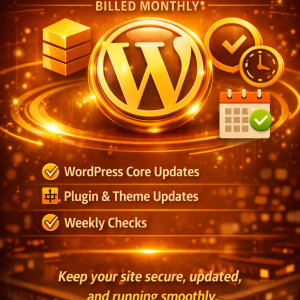
WordPress Care Essentials is built around three core pillars: core updates, plugin and theme updates, and weekly checks. Each pillar focuses on a different dimension of website health, and together they form a comprehensive shield against common issues that lead to downtime, performance drops, and security breaches.
- WordPress core updates: These are the backbone of your site’s security and compatibility. They fix known vulnerabilities, improve performance, and ensure compatibility with newer PHP versions and hosting environments.
- Plugin & theme updates: Plugins and themes extend functionality, but they can introduce conflicts if left outdated. Regular updates reduce security risks and keep features working harmoniously.
- Weekly checks: Ongoing monitoring and testing catch problems early, from broken links and outdated content to performance bottlenecks and security anomalies.
In the sections that follow, you’ll see exactly why each of these elements matters and how they work together to prevent breakdowns. You’ll also find practical details about what the weekly checks include and how they translate into real-world benefits for your site.
Why updates are essential for your WordPress site
Updates are not cosmetic polish; they are preventive maintenance that protects your site from a range of threats and issues. Here’s why you should prioritize them and how they contribute to a smooth-running website.
- Security improvements reduce risk: The WordPress core and many plugins are widely targeted by attackers. Updates fix vulnerabilities and close gaps that could be exploited. If you fall behind on updates, you increase the likelihood of a breach, malware infection, or unauthorized access.
- Compatibility with the latest hosting and PHP versions: Web hosts evolve their infrastructure and PHP versions, which can affect how themes and plugins perform. Keeping core and extensions up to date helps ensure compatibility and reduces the chance of fatal errors when your hosting environment changes.
- Performance gains and efficiency: Updates can include performance optimizations, caching improvements, and better resource management. Even small enhancements can translate into faster page loads and a better user experience, which also benefits SEO and engagement.
- Feature stabilization and bug fixes: Updates aren’t just about security; they fix bugs and introduce stable features. You avoid surprises such as broken widgets, conflicting settings, or UI regressions that frustrate your users.
- Long-term reliability and maintenance planning: Regular updates establish a predictable maintenance rhythm. This makes it easier for you to budget, schedule maintenance windows, and communicate expected changes to teammates or clients.
If you skip updates or postpone them, you increase the risk of cascading issues. A single outdated plugin can conflict with a newer theme, which in turn may expose an unpatched vulnerability. The result could be downtime, degraded performance, or a compromised user experience. Regular updates, when managed well, act as a shield that keeps your site functioning as intended while you focus on delivering value to your audience.
WordPress core updates: what they do and why they matter
Core updates are the foundation of your site’s health. They bring security patches, performance improvements, and new features that keep WordPress compatible with modern web standards. Here’s why they matter and how they impact your daily operations.
- Security fixes are critical: The core software is the primary line of defense against known vulnerabilities. Applying core updates promptly reduces exposure to attacks and helps protect your data, users, and revenue.
- Compatibility with themes and plugins: As third-party extensions evolve, they rely on updated core APIs. Staying current with the core reduces the risk of incompatibilities that can break layouts, forms, or interactive elements.
- Access to performance and reliability improvements: Core updates frequently include changes designed to optimize resource usage, caching, and overall efficiency. This can translate into faster page rendering and a better experience for visitors.
- Compliance with hosting environments: Hosting providers often optimize for the latest WordPress versions. By staying current, you ensure you’re aligned with recommended configurations and take advantage of hosting improvements.
To you, this means less friction when adding new content, features, or analytics tools. It also means you’re less likely to encounter a breaking change that requires urgent debugging on a busy day. Core updates are a foundational habit you build into your site’s lifecycle to maintain stability over time.
Plugin and theme updates: staying compatible and secure
Plugins and themes are where you customize your site. They can deliver powerful capabilities, but they also introduce risk if left outdated. Regular updates help ensure you’re not sitting on known vulnerabilities, and they support smoother interoperability with the core and with each other.
- Security patches reduce risk: Many plugin and theme updates address security weaknesses. If you don’t apply these updates, you leave doors open for attackers to exploit.
- Bug fixes improve reliability: Updates often fix bugs that can cause loss of functionality, theme layout issues, or conflicts with other extensions. This reduces the chance of downtime or broken features.
- Compatibility with WordPress core and other extensions: As WordPress core evolves, plugins and themes must adapt to new APIs and behavior. Updates help prevent compatibility conflicts that manifest as broken forms, broken widgets, or unexpected styling changes.
- Access to new features and improvements: Updates can bring enhancements that improve usability or performance. By staying current, you keep your site modern without needing a heavy redesign.
Your readers will notice fewer functional hiccups and a more polished experience when plugins and themes stay up to date. For you, this means fewer emergency fixes, smoother content publishing, and more confidence in the long-term health of your site.
Weekly checks: what they cover and why they’re crucial
Weekly checks are the heartbeat of WordPress Care Essentials. They’re not about one-off fixes; they’re about ongoing vigilance, early detection, and proactive maintenance. Here’s what weekly checks typically cover and why each area matters.
- Uptime and accessibility monitoring: You want to know as soon as your site is unavailable. Quick alerts let you respond before your audience experiences prolonged outages, preserving trust and traffic.
- Backups and restore tests: Regular backups are your last line of defense. Weekly checks ensure you have recent, functional backups and that you can restore them quickly if needed.
- Security scans and malware detection: Routine scans identify suspicious activity, misconfigurations, or infected files. Early detection minimizes damage and helps you respond calmly.
- Performance checks (speed, caching, CDN status): Page speed directly affects user experience and SEO. Checking performance helps you identify bottlenecks and verify that caching and content delivery networks are functioning properly.
- Broken link and content integrity checks: Broken links frustrate users and harm SEO. Regular checks help you keep paths and references healthy across your site.
- Theme and plugin compatibility checks: You want to catch conflicts before they cause visible issues. Compatibility checks help ensure that new updates won’t disrupt essential features.
- Error log review and debugging: Small errors can be symptoms of larger problems. Reviewing logs helps you diagnose root causes rather than just treating symptoms.
- SEO and metadata health checks: Meta tags, sitemaps, and schema markup should stay consistent. Regular checks prevent subtle issues from reducing your visibility in search results.
- Accessibility checks: Ensuring accessibility is essential for user inclusion and for compliance with standards. Regular checks help you maintain a usable site for all visitors.
These weekly checks create a safety net that catches problems early, often before you or your users notice anything amiss. In practical terms, this means fewer emergency fixes, less downtime, and more consistent performance across devices and networks.
How weekly checks prevent breakdowns in practice
Think of weekly checks as a routine health assessment for your site. They identify subtle shifts in performance, security, or content that could escalate if left unchecked. Here’s how they translate into real-world prevention:
- Early detection of plugin conflicts: If a plugin update causes a conflict with your caching layer or a form plugin, weekly checks can reveal it quickly. You can roll back or adjust settings before visitors encounter errors.
- Quick response to downtime indicators: If uptime monitoring reports a hiccup, you can act fast to determine whether it’s a server issue, a DNS problem, or a broken integration, rather than waiting for a user complaint.
- Assurance of data integrity: Regular backups and restore tests ensure you can recover from data loss without lengthy downtime. This is especially important for ecommerce sites, membership sites, or content-heavy platforms.
- Consistent performance posture: By tracking speed and caching status, you prevent gradual performance erosion. If a page starts loading slowly, you have the data to investigate and resolve the bottleneck.
- Secure environment through ongoing sweeps: Routine security checks help you stay ahead of evolving threats. The presence of updated plugins and patched vulnerabilities reduces your overall risk profile.
When you participate in a weekly checks program, you gain visibility into the health of your site. You can see trends, anticipate issues, and address them with confidence rather than reacting after a problem becomes visible to your audience.
The risk of neglect: real-world scenarios
Neglecting maintenance can seem like saving a little time today, but it often creates larger tasks tomorrow. Here are common scenarios that illustrate what can happen if you push updates and checks down the list.
- Scenario 1: A core update introduces a new PHP requirement, and an outdated plugin crashes the site. Without a tested, timely core update and compatibility checks, your site could become temporarily unavailable.
- Scenario 2: A security patch is released for a popular plugin, but you skip the update. A vulnerability is exploited, leading to a malware infection that requires cleanup, SEO cleanup, and potential reputational damage.
- Scenario 3: A theme receives a critical bug fix, and you don’t apply it. Your site could display broken layouts on certain devices, affecting user experience and conversions.
- Scenario 4: A routine performance regression goes unnoticed because weekly speed tests aren’t performed. The issue compounds as traffic increases, eventually causing user frustration and higher bounce rates.
- Scenario 5: Links become outdated, references break, or a deprecated feature stops working. Business-critical features such as contact forms or e-commerce checkout can fail, resulting in lost revenue and customer trust.
These scenarios show why a disciplined maintenance routine is not a luxury but a practical necessity for any WordPress site you rely on. Weekly checks serve as a proactive shield that keeps your site resilient and ready to serve your audience, day after day.
How WordPress Care Essentials aligns with performance, security, and SEO
A healthy WordPress site isn’t only about staying online; it’s about performing well, staying secure, and delivering value through search visibility. WordPress Care Essentials addresses all three axes—performance, security, and SEO—in a coordinated way.
- Performance: Core and plugin updates can include performance improvements, while weekly checks monitor speed, caching, and CDN status. You’ll typically see faster page loads, smoother interactions, and a better overall experience for visitors.
- Security: Regular updates reduce exposure to known vulnerabilities. Weekly security scans provide ongoing protection, alerting you to suspicious activity and giving you time to respond without panic.
- SEO health: Timely updates and content integrity checks help maintain proper metadata, XML sitemaps, and structured data. A fast, reliable site is favored by search engines, and a secure site earns trust signals that support ranking stability.
When these domains work together, you’re less likely to encounter the kind of disruptions that erode trust and harm your search visibility. You’ll have a more predictable performance pattern, which is valuable for planning campaigns, publishing schedules, and marketing initiatives.
A closer look at the weekly checks checklist
To give you a concrete sense of what weekly checks involve, here is a practical checklist you can expect from WordPress Care Essentials. This list is representative and can be customized to your site’s specific needs.
- Uptime monitoring and incident alerts
- Backup verification and restoration tests
- Security scanning for malware and suspicious activity
- Vulnerability assessments and firewall rule reviews
- Performance audits (page speed, TTFB, asset optimization)
- Cache and CDN status checks
- Broken link, 404, and content integrity scans
- Theme and plugin compatibility checks with the current core
- Error log reviews and debugging
- Database optimization checks
- SEO health checks (sitemaps, robots.txt, meta tags, canonical tags)
- Accessibility checks (contrast, keyboard navigation, aria attributes)
- Content freshness and metadata validation
This checklist is designed to be actionable. Each item has a clear objective, a baseline against which you measure progress, and a remediation path if something needs attention. The goal is not to overwhelm you with tasks but to provide a steady rhythm that keeps your site clean, secure, and fast.
How to interpret the value of WordPress Care Essentials in your context
The value of this maintenance approach isn’t just in preventing disasters; it’s also in the clarity and predictability it brings to your operations. Here are some ways to think about the return on investment.
- Reduced emergency fixes: When you catch issues early through weekly checks, you spend less time scrambling and debugging during high-traffic periods. You can allocate your resources to growth activities instead.
- More consistent user experience: A site that loads quickly, is secure, and remains accessible creates a positive impression with visitors. Consistency reduces bounce rates and builds trust, which supports conversion goals.
- Safer and more compliant operations: Regular security and accessibility checks help you stay compliant with evolving standards and regulations. This reduces risk and saves you from reactive, costly changes later.
- Data-informed maintenance: The weekly checks generate a history you can study. You can identify patterns, plan upgrades, and optimize capacity for future growth.
If you’re weighing whether to invest in maintenance, consider the cost of downtime, the potential revenue impact of a compromised site, and the time you would spend patching issues that arise unexpectedly. A disciplined maintenance program like WordPress Care Essentials is often more affordable than the consequences of neglect, and it provides you with peace of mind.
Case examples: practical outcomes you can expect
- Example A: A mid-sized blog experiences a sudden surge in traffic after a guest post goes viral. With weekly checks, the team identifies a caching bottleneck and resolves it promptly, resulting in stable performance during the spike and no downtime.
- Example B: An ecommerce shop receives a core update and a theme update. The combined testing in weekly checks prevents layout breaks on cart and checkout pages, maintaining a smooth shopping experience without disruption to sales.
- Example C: A membership site detects a vulnerability in a plugin via security scans. The plugin is updated in a controlled way, with rollback options if needed, ensuring user data remains protected and access remains seamless.
These examples illustrate how the maintenance framework translates into real, tangible outcomes that protect your revenue, reputation, and user satisfaction.
How to choose the right maintenance approach for your site
Not every site has the same needs. The right maintenance approach depends on factors such as traffic volume, the criticality of uptime, data sensitivity, and available internal resources. Here are a few criteria to consider when evaluating WordPress Care Essentials or similar services:
- Site criticality: If your site is mission-critical (e.g., ecommerce, membership, or lead generation), prioritizing regular updates and weekly checks helps you minimize risk and downtime.
- Traffic patterns: High-traffic periods may benefit from more aggressive monitoring and faster response times. Consider a maintenance plan that scales with your traffic.
- Security posture: If you handle sensitive customer data or operate within regulated industries, a stronger emphasis on security updates and ongoing scans is essential.
- Internal resources: If you lack dedicated developers or IT staff, a managed maintenance plan can save you time and reduce the complexity of handling updates and diagnostics.
- Budget considerations: While maintenance costs are an investment, they often pale in comparison to the cost of downtime, data loss, or SEO penalties resulting from neglect.
In many cases, WordPress Care Essentials offers a balanced approach: regular core and extension updates paired with disciplined weekly checks, designed to work smoothly for businesses of varying sizes and requirements.
Getting started with WordPress Care Essentials
If you’re considering WordPress Care Essentials for your site, here are practical steps to get started and ensure you maximize the benefits.
- Define your priorities: Identify the most critical areas for your site (e.g., ecommerce stability, content publishing cadence, or lead capture performance). This helps tailor the maintenance plan to your needs.
- Establish the update window: Agree on a safe maintenance window for core and extension updates. Communicate this to your team or stakeholders so they know when changes may occur.
- Review the weekly checklist: Familiarize yourself with the weekly checks and how you’ll receive reports. Confirm which items you want to customize based on your site’s unique features.
- Prepare for incident response: Have a basic incident response plan in place. Ensure you know how to contact support, how to roll back updates if needed, and how to restore from backups.
- Measure success: Set clear metrics such as uptime percentage, page speed targets, and security incident counts. Use these metrics to gauge the impact of maintenance over time.
Starting with a clear plan makes the maintenance process smoother and more predictable. You’ll gain confidence that your site is in good hands and that you have a reliable process to keep it healthy.
A note on transparency and communication
Part of the value of a maintenance package is transparency. You should receive communication that clearly explains what was updated, what issues were found, and what actions were taken. This helps you stay informed, understand any potential impact on your workflows, and align maintenance activities with your business calendar.
Clear reporting also gives you an auditable trail. If you need to demonstrate your site’s ongoing health to stakeholders, partners, or clients, you’ll have concrete data showing that updates were applied and weekly checks were completed.
Final thoughts: building resilience into your WordPress site
Your WordPress site is a living platform that changes every day. Updates keep your software aligned with current standards and best practices, while weekly checks provide a disciplined approach to staying ahead of problems. When you combine these elements, you create resilience that protects your site’s availability, performance, and security.
- You benefit from fewer emergency fixes and less downtime.
- You experience more predictable performance and faster response times.
- You maintain better security posture and lower risk exposure.
- You preserve search engine visibility and deliver a better user experience.
If you’re ready to invest in ongoing care for your WordPress site, WordPress Care Essentials offers a practical, comprehensive framework. It brings together core updates, plugin and theme updates, and weekly checks into a cohesive maintenance routine designed to prevent breakdowns and sustain your site’s health over time.
Table: Quick comparison of the three pillars and weekly checks
| Pillar | What it covers | Why it matters | How it helps prevent breakdowns |
|---|---|---|---|
| WordPress core updates | Security patches, performance improvements, new features | Keeps the foundation secure and compatible | Reduces risk of critical failures due to core incompatibilities or vulnerabilities |
| Plugin & theme updates | Security patches, bug fixes, feature improvements | Maintains compatibility with core and other extensions | Prevents conflicts that cause downtime or broken functionality |
| Weekly checks | Uptime, backups, security scans, performance, links, compatibility, logs, SEO, accessibility | Ongoing vigilance and early detection | Catches issues early before they affect users or business operations |
In short, WordPress Care Essentials is about proactive health management rather than reactive troubleshooting. You’re not waiting for something to break; you’re investing in a process that keeps it from breaking in the first place. With this approach, your site becomes more reliable, scalable, and resilient—ready to support your goals now and into the future.
If you’d like to learn more about how WordPress Care Essentials can be tailored to your specific site, reach out for a personalized assessment. You’ll gain clarity on what updates and checks matter most for your setup and how to integrate maintenance into your regular workflow. Your site deserves that level of care, and you deserve the peace of mind that comes with a well-managed WordPress environment.










0 Comments