
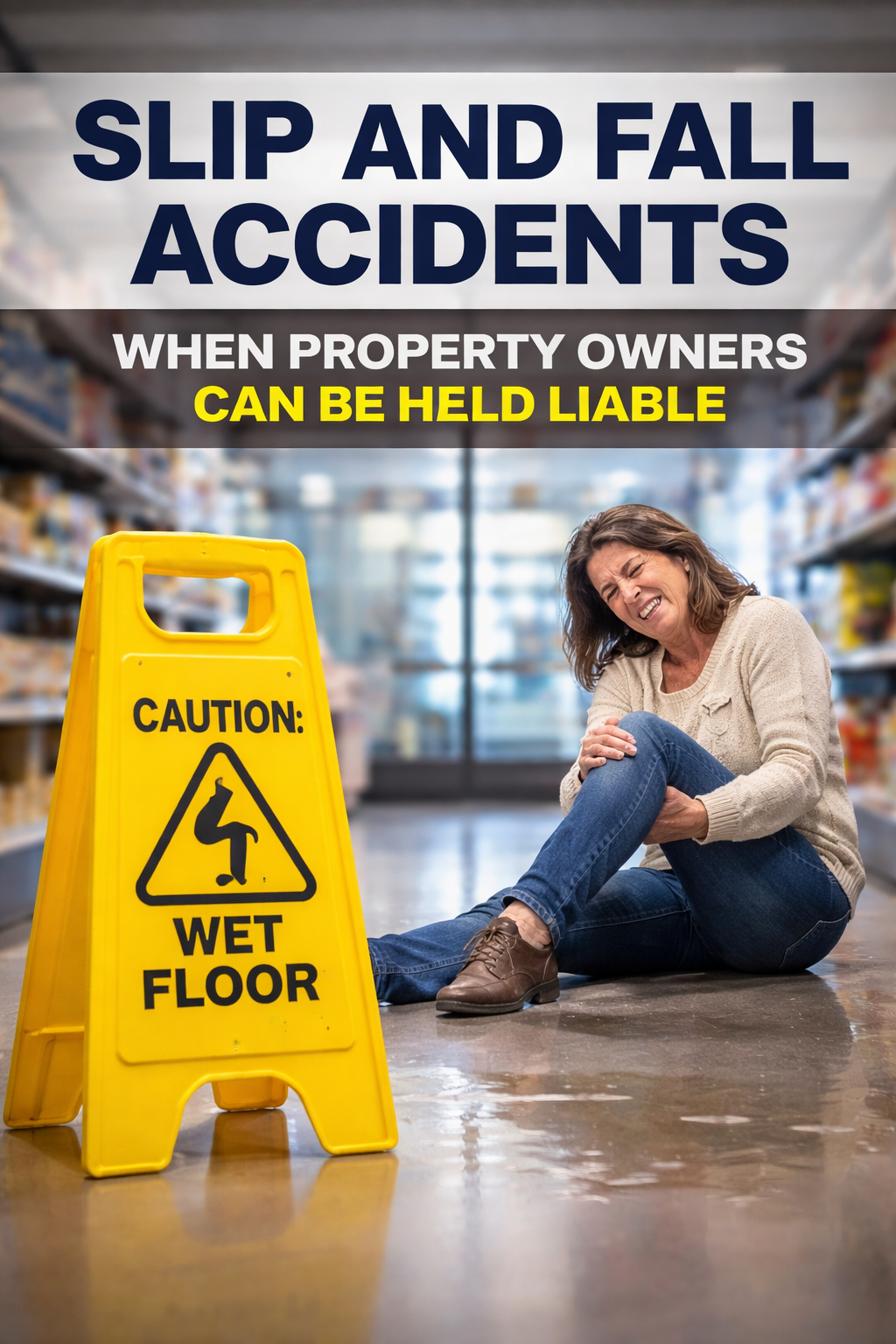

Slip and Fall Accidents: When Property Owners Can Be Held Liable
Slip and fall accidents are among the most common causes of serious personal injuries in the United States. While these incidents may sound minor, the consequences can be severe—ranging from broken bones and head trauma to long-term disability and lost income. Many slip and fall injuries occur on property owned or controlled by someone else, raising an important legal question: when can a property owner be held liable for a slip and fall accident?
Understanding how liability works in slip and fall cases is essential for injured victims seeking compensation and for property owners aiming to meet their legal obligations. This article explains how slip and fall accidents happen, the legal concept of premises liability, when property owners may be held responsible, and what injured individuals should do after an accident.
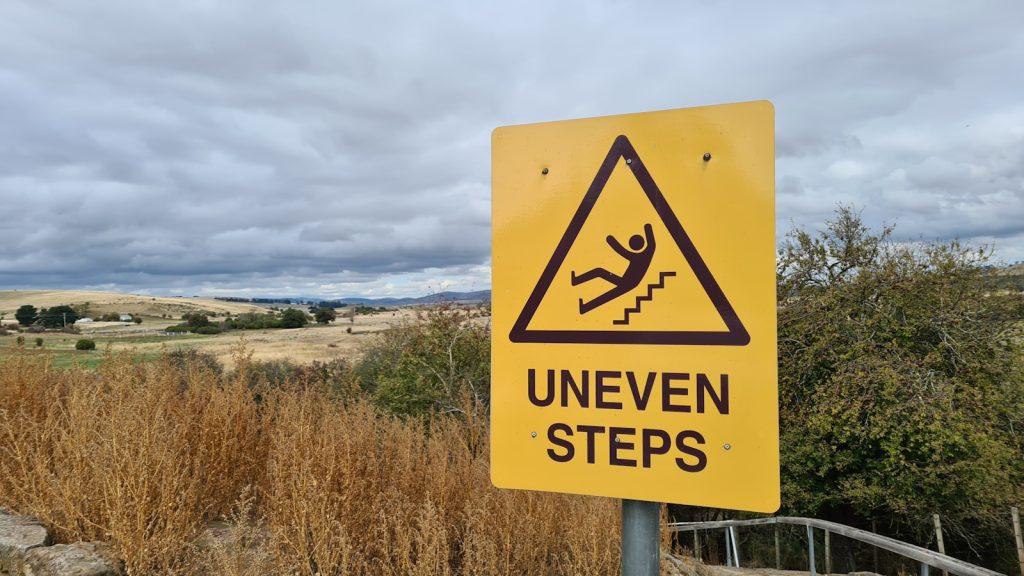
What Is a Slip and Fall Accident?
A slip and fall accident occurs when a person slips, trips, or loses their balance due to a hazardous condition on someone else’s property. These accidents can happen almost anywhere, including:
-
Grocery stores and retail shops
-
Apartment complexes and rental properties
-
Office buildings and parking structures
-
Restaurants, hotels, and resorts
-
Sidewalks, stairwells, and entryways
Common hazards that lead to slip and fall accidents include wet or slippery floors, uneven pavement, loose carpeting, broken handrails, poor lighting, cluttered walkways, and icy or weather-related conditions.
While accidents can happen anywhere, the law focuses on whether the property owner or manager failed to maintain a reasonably safe environment.
Understanding Premises Liability Law
Slip and fall claims fall under an area of law known as premises liability. Premises liability holds property owners and occupiers legally responsible for injuries that occur due to unsafe conditions on their property.
Property owners are not automatically liable every time someone falls. Liability depends on several factors, including:
-
The condition that caused the fall
-
Whether the owner knew or should have known about the hazard
-
Whether reasonable steps were taken to fix or warn about the danger
-
The legal status of the injured person on the property
Courts examine these factors closely to determine whether negligence occurred.
Legal Status of the Injured Person
One key element in slip and fall cases is the status of the injured person at the time of the accident. The duty of care a property owner owes depends on why the person was on the property.
Invitees
Invitees are individuals who are on the property for business or public purposes, such as customers in a store or guests at a hotel. Property owners owe invitees the highest duty of care, which includes:
-
Regularly inspecting the property for hazards
-
Fixing dangerous conditions promptly
-
Providing clear warnings when hazards cannot be immediately corrected
Most slip and fall claims involve invitees.
Licensees
Licensees are social guests or individuals on the property for non-commercial reasons. Property owners must warn licensees of known dangers that may not be obvious.
Trespassers
Trespassers are generally owed the lowest duty of care. However, property owners may still be liable in certain situations, especially if children are involved or if the owner intentionally caused harm.
When Can Property Owners Be Held Liable?
Property owners can be held liable for slip and fall accidents when negligence is established. Negligence typically requires proving four elements:
1. A Dangerous Condition Existed
There must have been a hazardous condition on the property, such as a wet floor, broken step, or uneven surface.
2. The Owner Knew or Should Have Known About the Hazard
Liability often depends on whether the property owner had actual or constructive notice of the danger.
-
Actual notice means the owner knew about the hazard.
-
Constructive notice means the hazard existed long enough that the owner should have discovered it through reasonable inspections.
3. Failure to Address the Hazard
The owner must have failed to repair the hazard or provide adequate warnings within a reasonable timeframe.
4. The Hazard Caused the Injury
The dangerous condition must be the direct cause of the slip and fall injuries.
If all four elements are met, a property owner may be legally responsible for the damages suffered by the injured person.
Common Examples of Property Owner Negligence
Slip and fall liability often arises from situations such as:
-
Failing to clean up spills in stores or restaurants
-
Ignoring broken stairs, handrails, or flooring
-
Allowing poor lighting in stairwells or parking garages
-
Not addressing water leaks or drainage problems
-
Failing to remove ice or provide warnings during bad weather
-
Leaving debris or merchandise in walkways
These conditions can create unreasonable risks, especially in high-traffic areas.
Comparative Negligence and Shared Fault
In many slip and fall cases, property owners argue that the injured person was partially responsible. For example, they may claim the person was distracted, wearing improper footwear, or ignored warning signs.
Under comparative negligence laws, compensation may be reduced based on the injured person’s percentage of fault. Even if someone is partially at fault, they may still recover damages depending on state law.
An experienced personal injury attorney can help challenge unfair fault claims and protect the injured party’s right to compensation.
Damages Available in Slip and Fall Cases
Victims of slip and fall accidents may be entitled to recover compensation for:
-
Medical expenses (past and future)
-
Lost wages and reduced earning capacity
-
Pain and suffering
-
Emotional distress
-
Rehabilitation and long-term care costs
In severe cases involving permanent injuries, damages can be substantial.
What to Do After a Slip and Fall Accident
Taking the right steps after a slip and fall accident can significantly impact a claim:
-
Seek medical attention immediately, even if injuries seem minor.
-
Report the incident to the property owner or manager.
-
Document the scene, including photos of the hazard and surrounding area.
-
Gather witness information if possible.
-
Avoid giving recorded statements to insurance companies without legal advice.
Prompt action helps preserve evidence and strengthens a potential claim.
Why Legal Representation Matters
Slip and fall cases are often more complex than they appear. Property owners and insurance companies frequently deny responsibility, claim lack of notice, or shift blame onto the injured party.
A qualified personal injury attorney can:
-
Investigate the accident thoroughly
-
Gather surveillance footage and maintenance records
-
Consult experts when necessary
-
Negotiate with insurance companies
-
Pursue full compensation through settlement or litigation
Legal representation can make a critical difference in the outcome of a slip and fall claim.
Conclusion
Slip and fall accidents can result in serious injuries and financial hardship, especially when they occur due to unsafe property conditions. Property owners can be held liable when they fail to maintain safe premises, ignore known hazards, or neglect reasonable inspections and warnings.
If you or a loved one has been injured in a slip and fall accident, understanding your rights under premises liability law is essential. Consulting with a knowledgeable personal injury attorney can help determine whether a property owner can be held accountable and what compensation may be available.










0 Comments